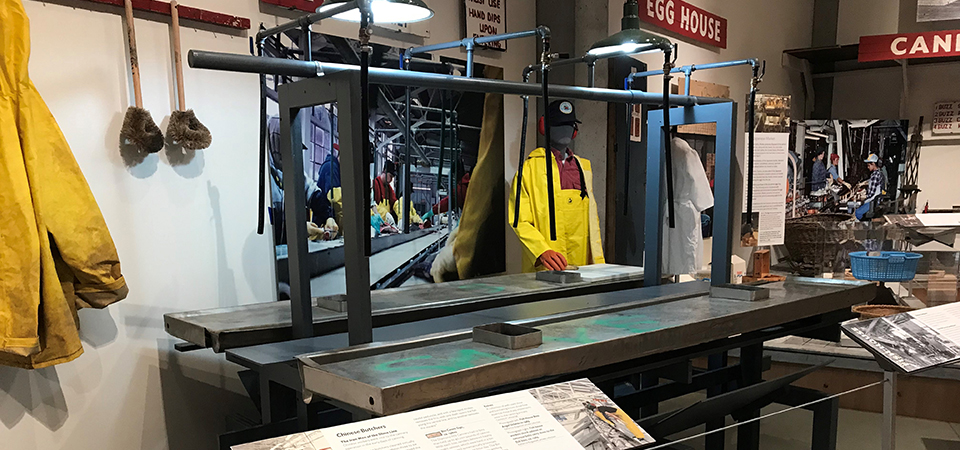
Alaska State Museum, April 2022. "The Slime Line" exhibit conveys the story of the historically underrepresented Asian workers and their vital salmon-cleaning skills. Part of the first-of-its-kind exhibition, "Mug Up: The Language of Cannery Work," which took visitors through an Alaskan salmon cannery, building by building, sharing the stories of the diverse workers and varied work therein. To learn more about the Mug Up exhibition and view video and public lectures, visit https://lam.alaska.gov/mugup. 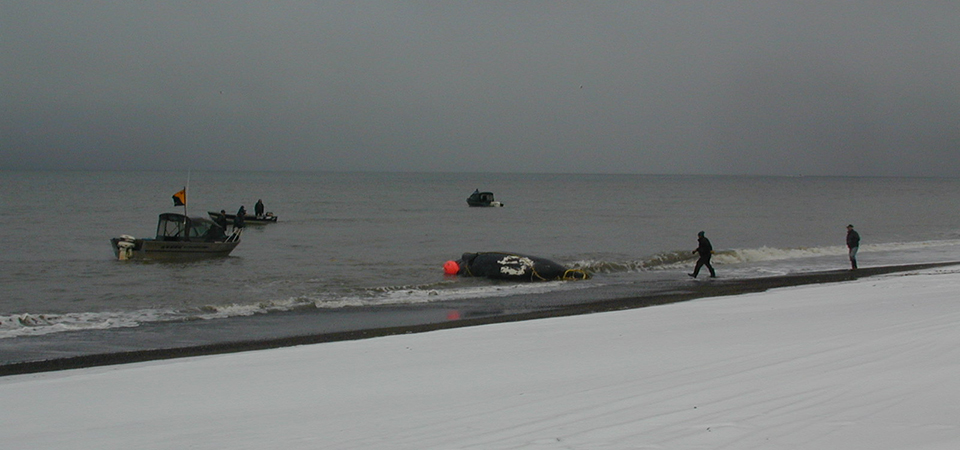
North Slope Borough, September 2021. Whalers from Utqiagvik (formally known as Barrow) pull a whale up onto the beach. Highly valued whale meat will be shared throughout the community. Whaling is a significant subsistence activity that has sustained the Inupiat people residing on the shores of the Arctic Ocean for at least 1500 years. 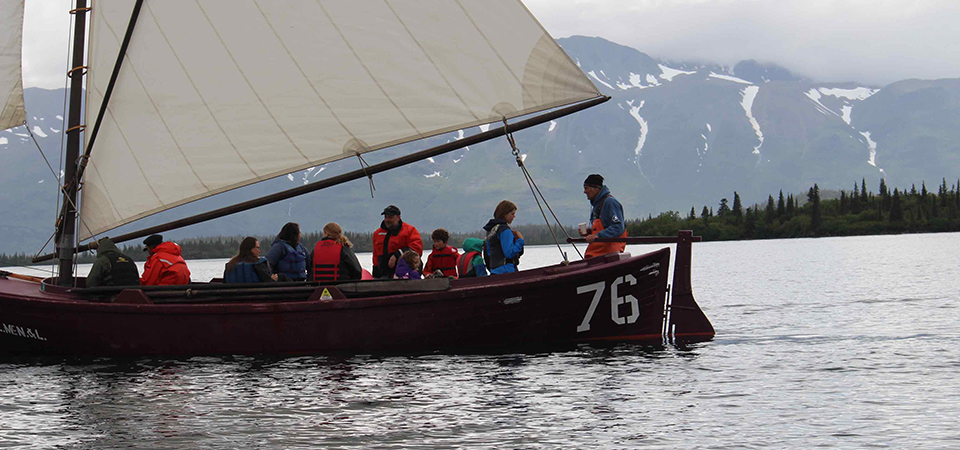
Tim Troll, Bristol Bay Heritage Land Trust, July 2022. These wooden salmon boats once filled the Bristol Bay commercial fishery until 1951. Pictured is the last remaining seaworthy Bristol Bay double-ender sailboat in Alaska. In July 2022, a crew of shipwrights and historians from Homer and Anchorage sailed the boat back to Naknek, Alaska, stopping in villages along the way to give boat rides and history presentations to enthusiastic community members. The former Libby, Libby and McNeil No. 79 sailing boat was restored and used as a mobile maritime history object to tell the century-old Bristol Bay commercial fishery story. Photo was taken on the Kvichak River, at the outlet of Lake Iliamna, near Lake Clark National Park and Preserve. 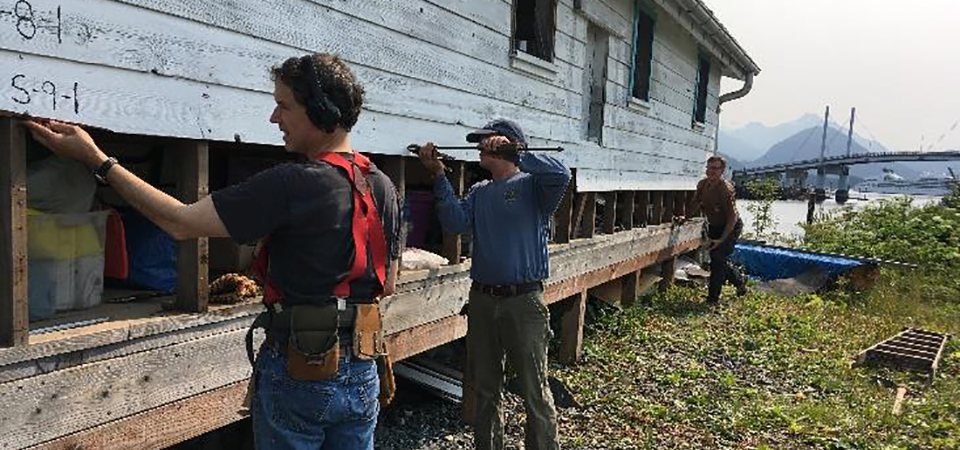
Sitka Maritime Heritage Society, September 2019. Volunteers remove boards from the WWII-era Japonski Island Boathouse, Southwest Wall, as part of a local effort to restore the building's function as an active boat repair facility and center for maritime heritage and education. The Japonski Island Boathouse is part of Sitka's WWII U.S. Naval Operating Base and U.S. Army Coastal Defenses National Historic Landmark. The Sitka Maritime Heritage Society conducted the rehabilitation project with the support of a 2018 Historic Preservation Fund Grant. 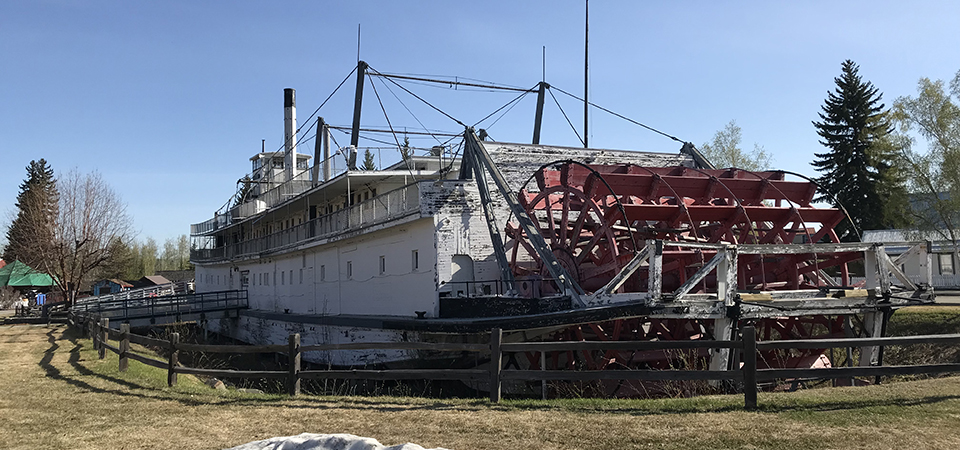
Listed as an NHL, the S.S. Nenana is a wooden-hulled, stern-wheel passenger boat. It is one of only three steam-powered passenger stern-wheelers of any kind left in the U.S. and the only large wooden stern-wheeler. It was built in 1933 for Alaska Railroad service on the Yukon, Nenana, and Tanana Rivers. It now resides at Pioneer Park in Fairbanks, Alaska, and requires repairs. 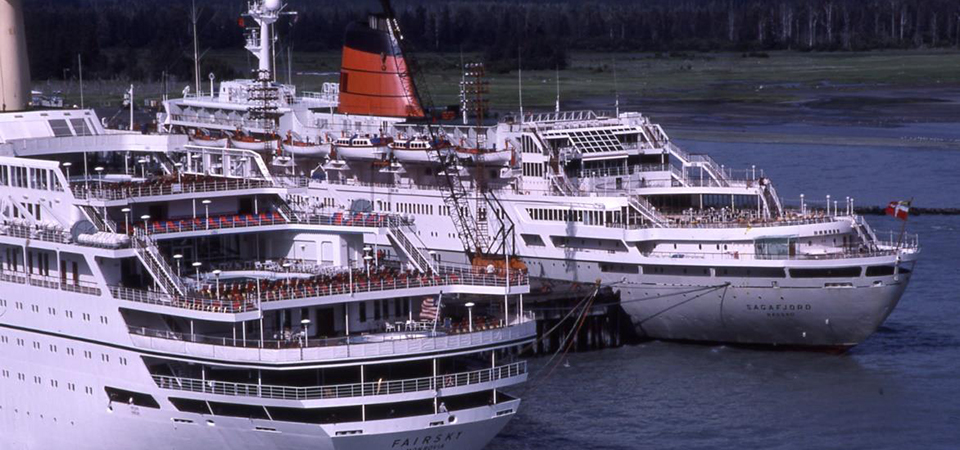
Resurrection Bay Historical Society, August 1985. Two cruise ships--FairSky and Sagafjord--tie up at the railroad dock in Seward, Alaska, situated at the terminus of Resurrection Bay on the southeast end of the Kenai Peninsula, where passengers are offloaded and travel via railroad to Denali National Park and Preserve and Fairbanks. Today, cruise ship passengers drive Alaska's tourist industry. 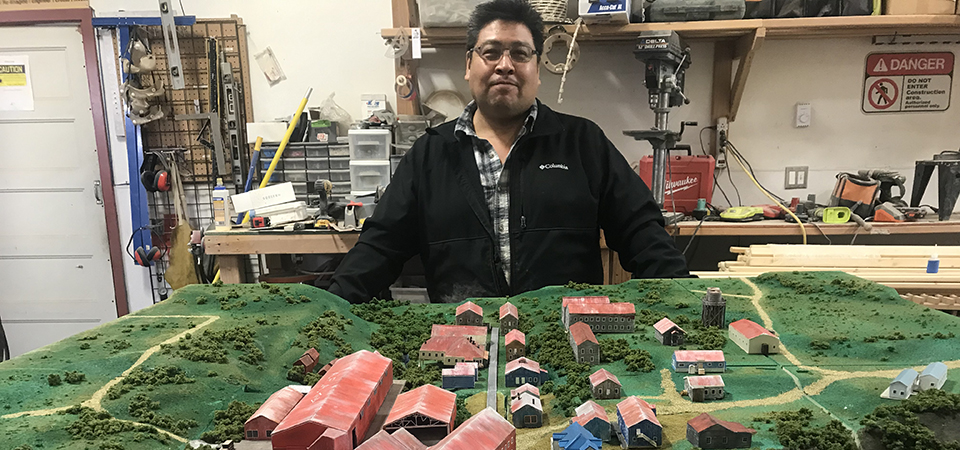
Alutiiq artist Andrew Abyo poses behind his model of the Alaska Packers Association Diamond NN Cannery. The model construction was part of a broader effort to list the 135-year-old cannery on the National Register of Historic Places. Constructed in sections for small airplane travel, the model took several years to complete. Owned by Trident Seafoods, the cannery--the first in Bristol Bay--was listed in the National Register in August 2021. Andrew's artistic work was supported through a generous grant from the Bristol Bay Native Corporation Educational Foundation. The model was displayed at the Alaska State Museum in Juneau, Alaska. 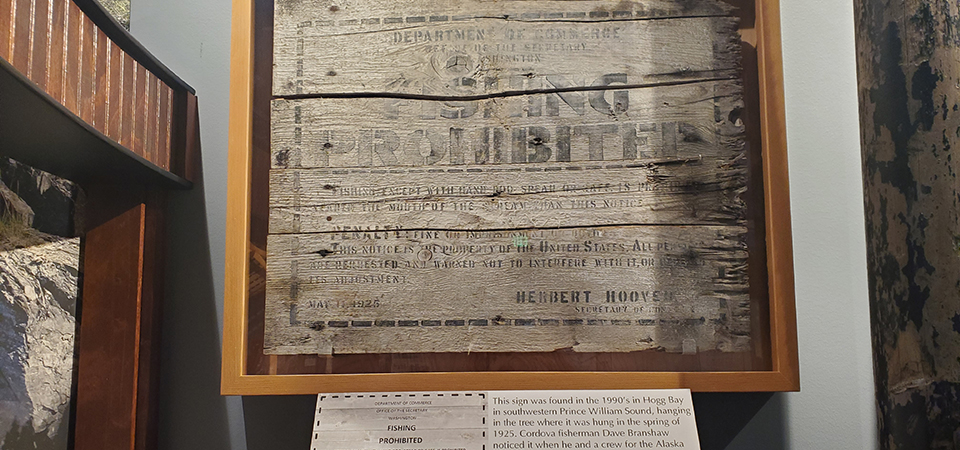
Cordova Museum, September 2022. The Copper River Red Salmon fishery is renowned for producing the season's first catch of Alaska's thriving red salmon fishery. The "Fishing Prohibited" sign, displayed in the new maritime exhibit at the Cordova City Museum, reminds us of a time when the federal government closed the fishery to conserve Alaska salmon due to overfishing. The closures prompted a battle between the Territory of Alaska, federal fish managers, and corporate salmon packers over trap use, which resulted in Alaska's statehood in 1959. 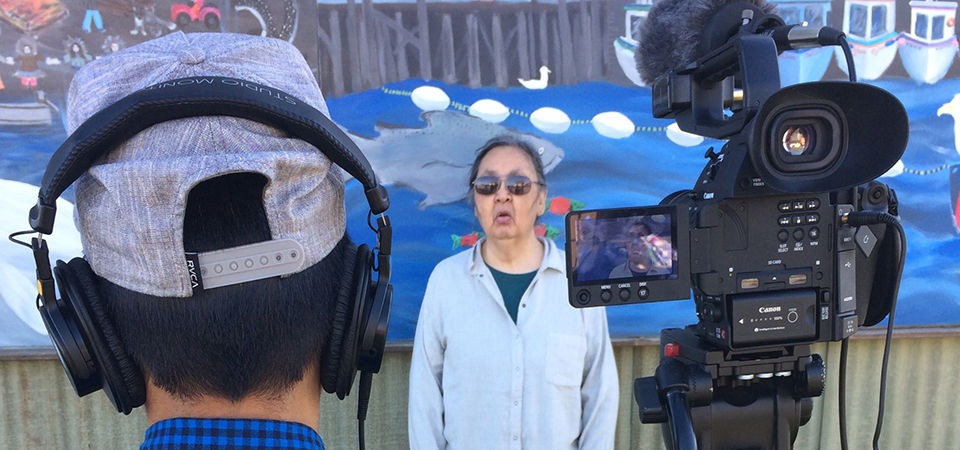
Bristol Bay High School student Senen Torin interviews Yupik elder Natty Boskovsy for a digital storytelling workshop led by the award-winning video production company, See Stories. 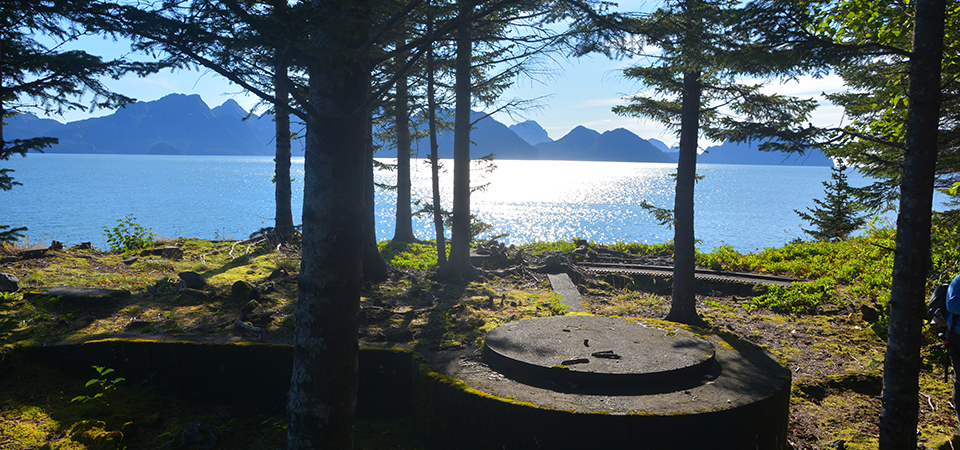
Panama Gun Mounts of the World War II-era Fort McGilvray still stand sentinel over Resurrection Bay and remind visitors of the soldier's wartime experience in Alaska. Office of History and Archaeology. 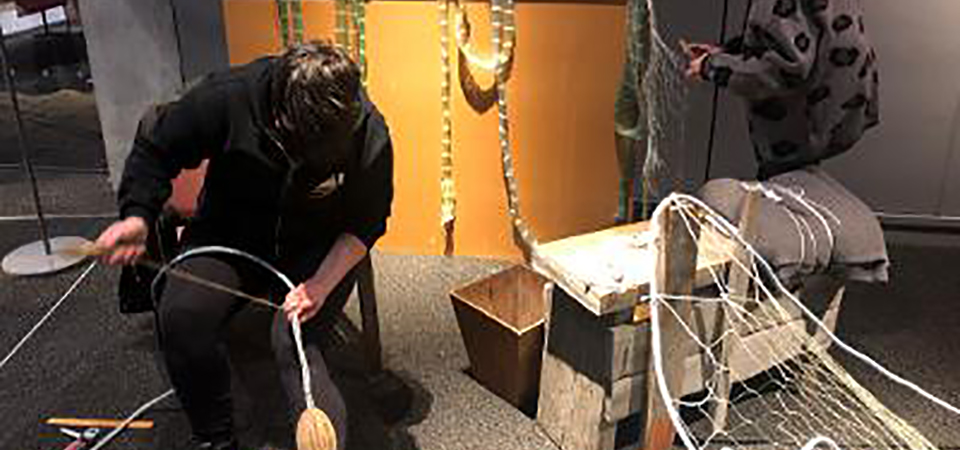
Female net-hangers Marcia Dale and LaRece Egli demonstrate the "Art of Net Hanging" during the pre-opening teaser promoting the "Mug Up" exhibition at the Alaska State Museum in Juneau, Alaska. The First Friday event was the Museum's highest-attended event to date. 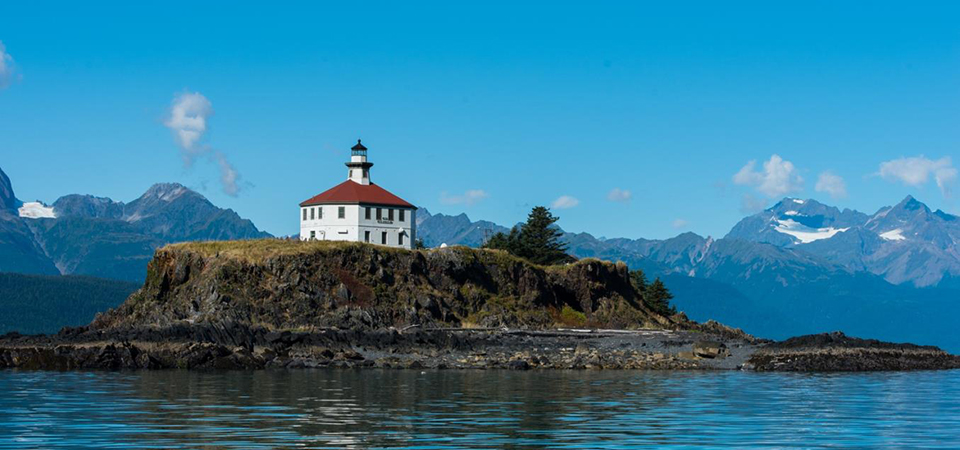
Alaska Maritime Historical Society, September 2018. The historic Eldred Rock Lighthouse, view from the water, 17 miles south of Haines, Alaska. The lighthouse is one of eleven Alaskan lighthouses listed in the National Register of Historic Places. 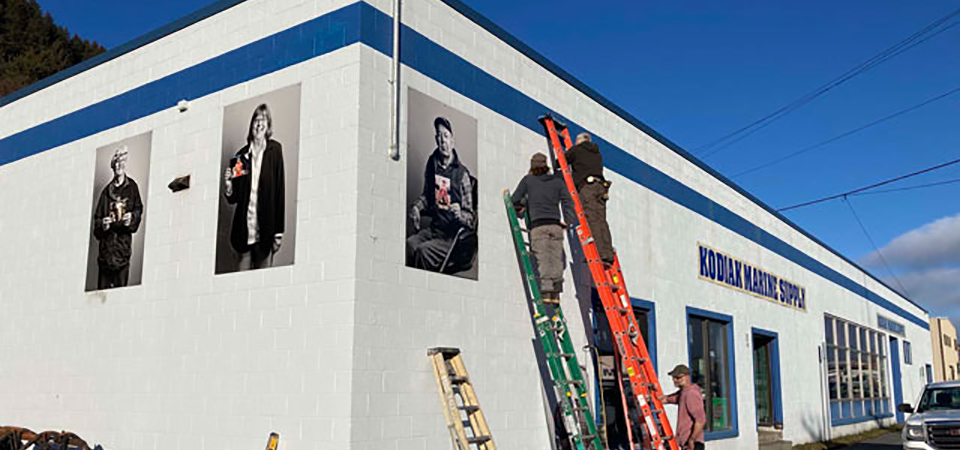
Kodiak Maritime Museum, January 2021. The Kodiak Maritime Museum installed "When Crab Was King" on buildings throughout downtown Kodiak. Creativity and community support drive the director of the Kodiak Maritime Museum, which remains a "museum without walls." 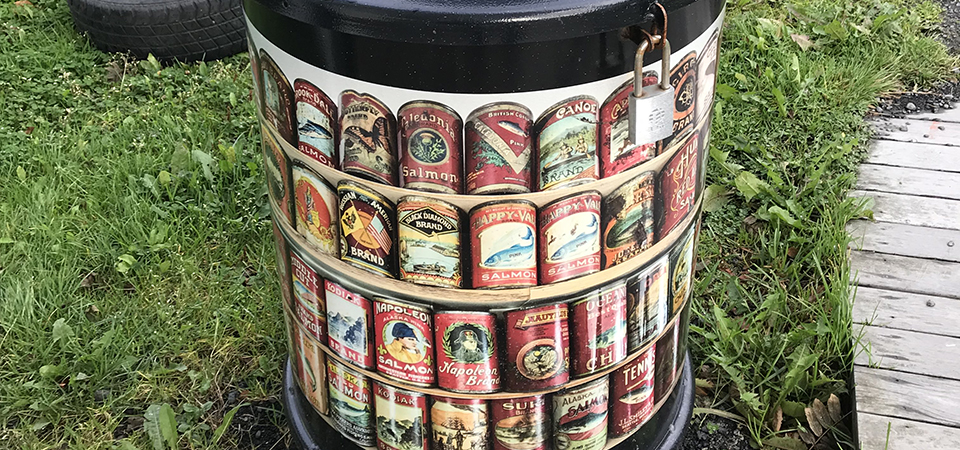
City of Kodiak, September 2018. Historic canned salmon label wraps around a city garbage can in downtown Kodiak creatively convey the island community's passion and pride for its maritime past. 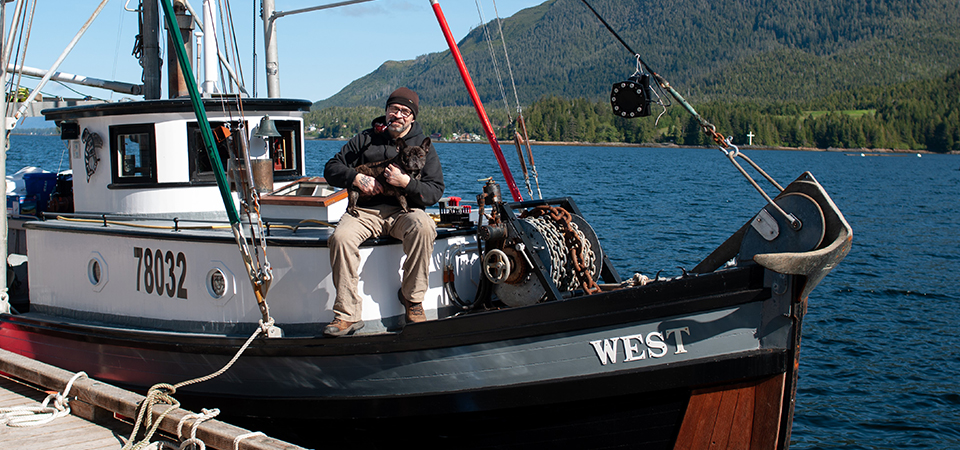
Ketchikan Museum, June 2022. n 2021, Ketchikan Museum partnered with photographer Brooke Ratzat to document 11 wooden boats. The project, called "History Afloat," involves photographing boats and interviews with the captains and family members. The stories, which celebrate Ketchikan's long fishing history and preserve the knowledge of maintaining wooden boats, will be shared in a virtual exhibit at KetchikanMuseums.org. Pictured is John Vlaun of the F/V West. 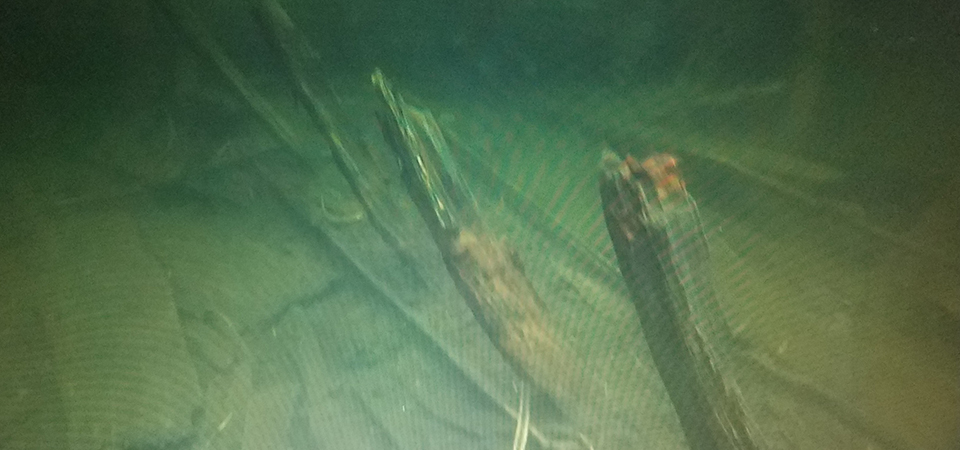
Sitka Maritime Heritage Society, September 2017. Redoubt Lake, or Kunaa Shak Áayi, is a long narrow, deep lake on Baranof Island, near Sitka, Alaska. The Russians established a small settlement near the lake's outlet known as Ozersk Redoubt. In 2017 the Sitka Maritime Heritage Society explored the underwater history of the area and discovered the remains of a boat and anchor in the lake. The discovery poses new questions about the Russian era in Alaska. 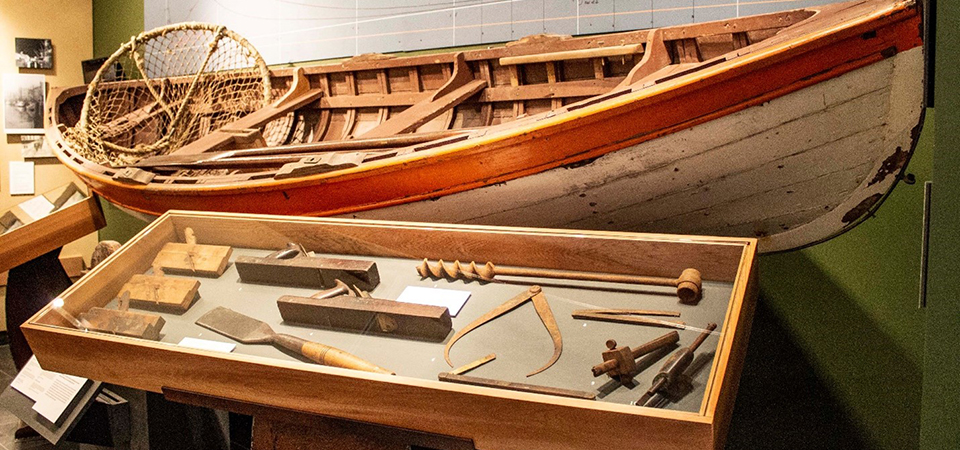
Ketchikan Museum, June 2022. "Davis Boat," owned by a Tsimshian family from Metlakatla, takes its design inspiration from local Native canoes and boats for hunting whales and seal, becoming a standard boat type for southeast Alaska waterways. Photo is from the "Ketchikan is..." core exhibit. 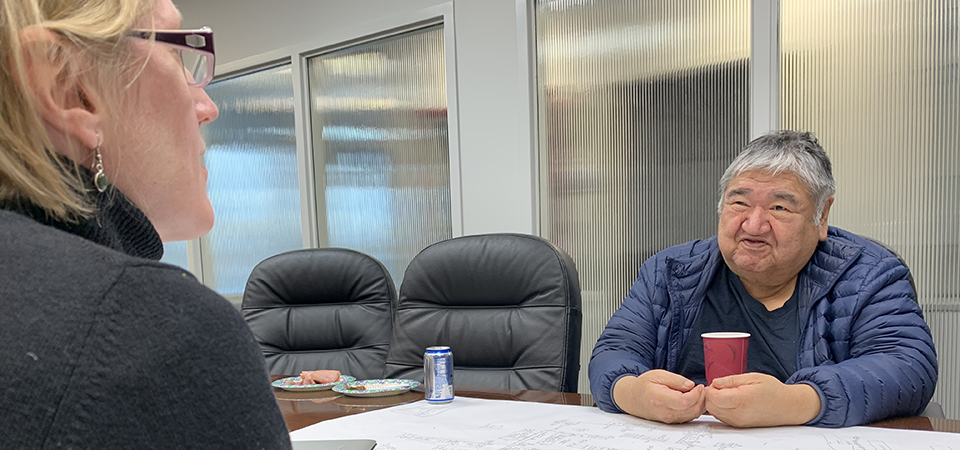
University of Alaska Fairbanks, October 2018. State Historian Katherine Ringsmuth interviews Alutiiq elder, Bristol Bay fisherman, and former Alaska Federation of Natives President Trefon Angasan about his maritime experiences for Project Jukebox, the University of Alaska Fairbanks' digital oral history repository. To listen to Trefon's interview and 16 other former cannery people, visit https://jukebox.uaf.edu/nncannery. 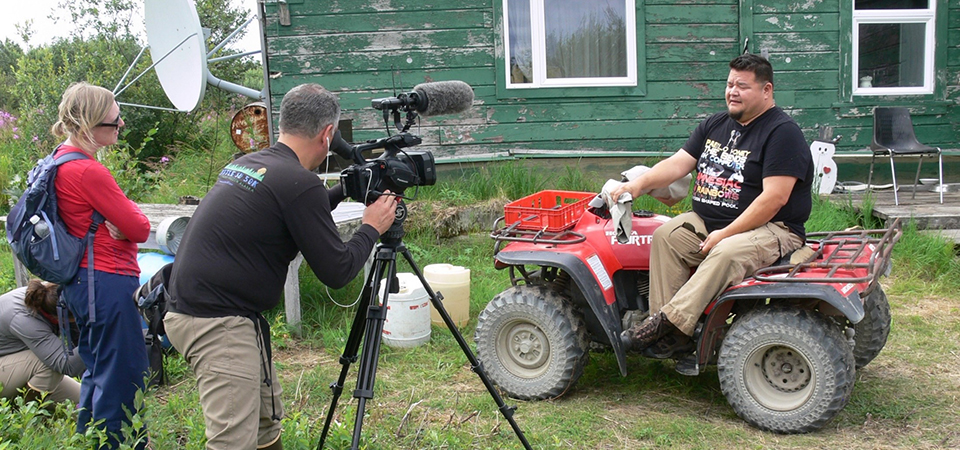
Jensen Hall Creative filming "The Cannery Caretakers," a 40-minute documentary that looks at cannery life from the perspective of the local Native village of South Naknek. Produced by Katherine Ringsmuth. Exhibited at the Alaska State Museum, Juneau, Alaska, April 1-October 8, 2022. 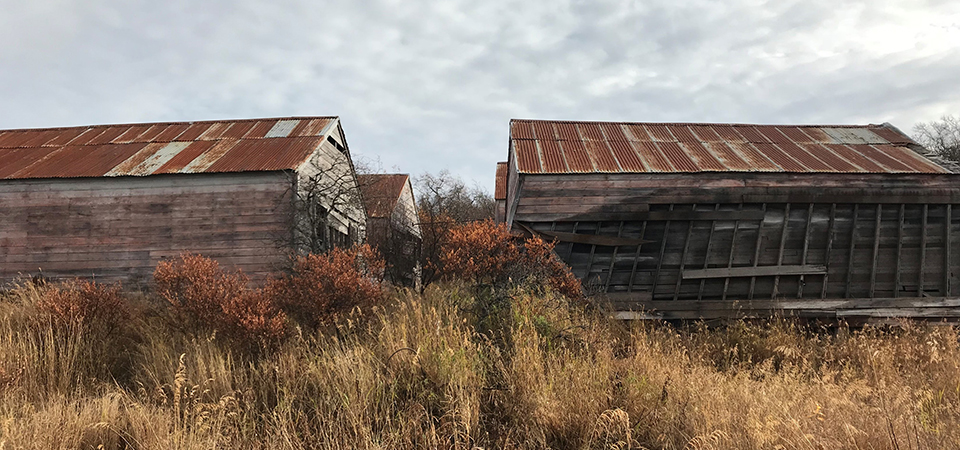
Chinese Bunkhouses, 2018. These Historic buildings, constructed in 1904, contribute to the Diamond NN Cannery Maritime Historic District. The complex housed Chinese cannery workers, and after the passage of the Chinese Exclusion Act of 1892, Mexican cannery workers. Courtesy of the NN Cannery History Project. 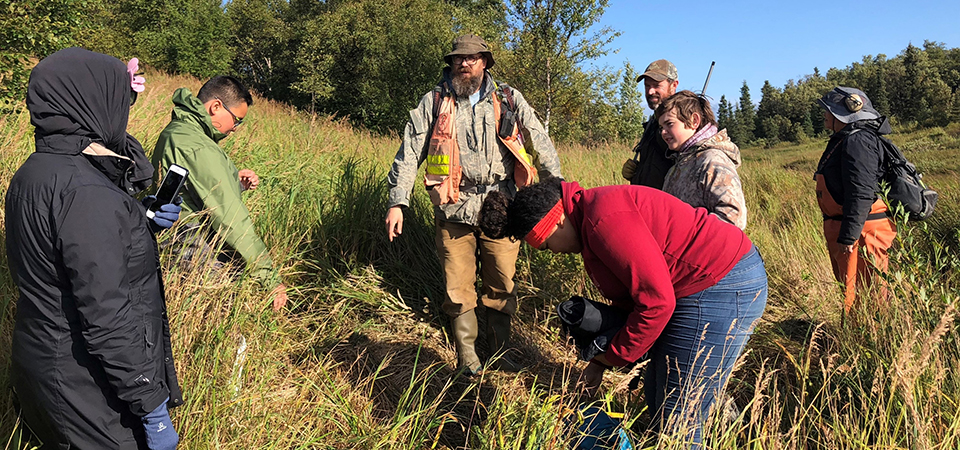
Archaeologist Monty Rogers shows Igiugig youth how to locate and interpret the tangible past. Courtesy of AlexAnna Salmon. 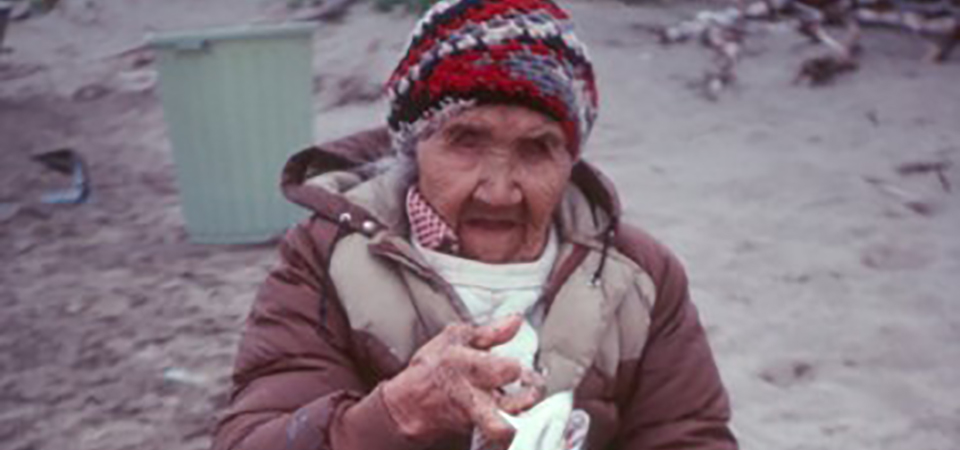
Anuska "Blind Grandma" Kasylie, the matriarch of the Qinuyang village, splits fish on the shore of the Kvichak River. Courtesy of the NN Cannery History Project. 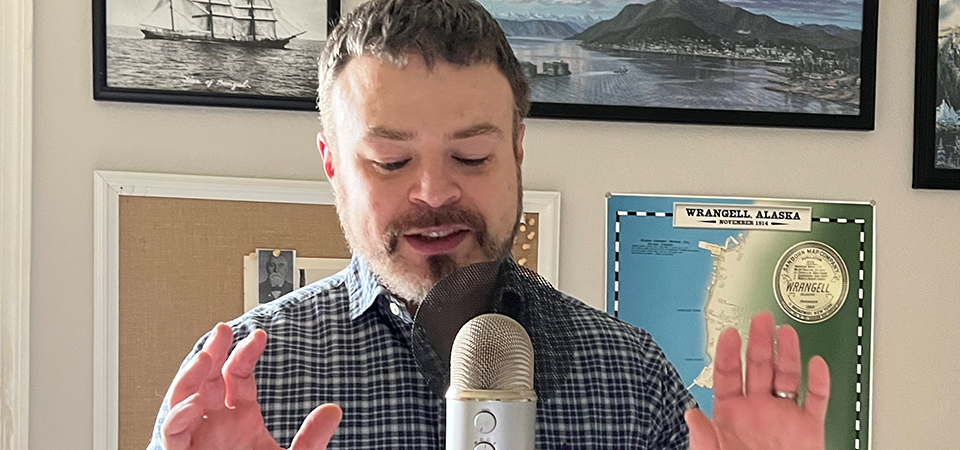
Wrangell History Unlocked creator, Ronan Rooney, records a session for Rise & Fall of the Star of Bengal. The podcast recently received the prestigious 2023 American Association for State and Local History Award of Excellence for a multimedia project. https://www.wrangellhistoryunlocked.com 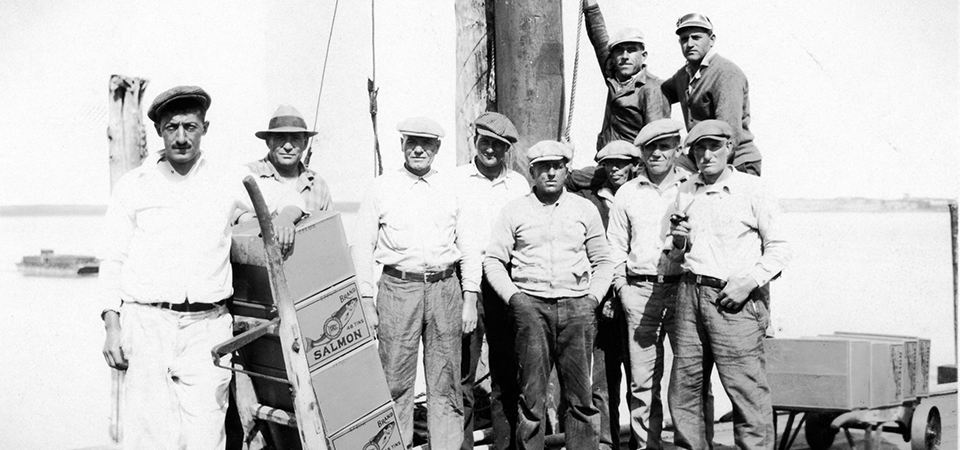
The beach gang dock workers received the daily catch of salmon from flat scows and tenders that delivered recently-caught salmon from the fishing grounds. Beach Gang on the Dock at Diamond NN Cannery, ca. 1930s. Heinbockel-Payne Family Collection. 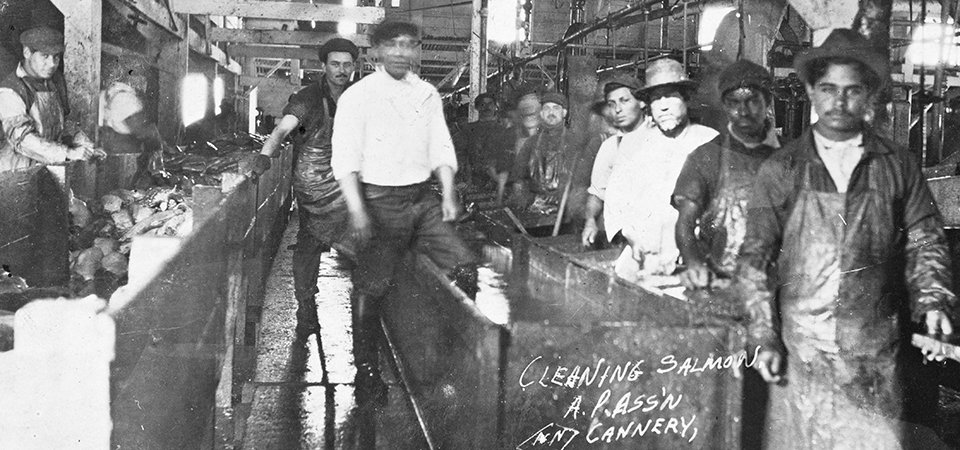
Alaska's diverse fish house crew constituted the so-called "slime line," ca. 1919. San Francisco Maritime National Historical Park. Axel Widerstrom collection. 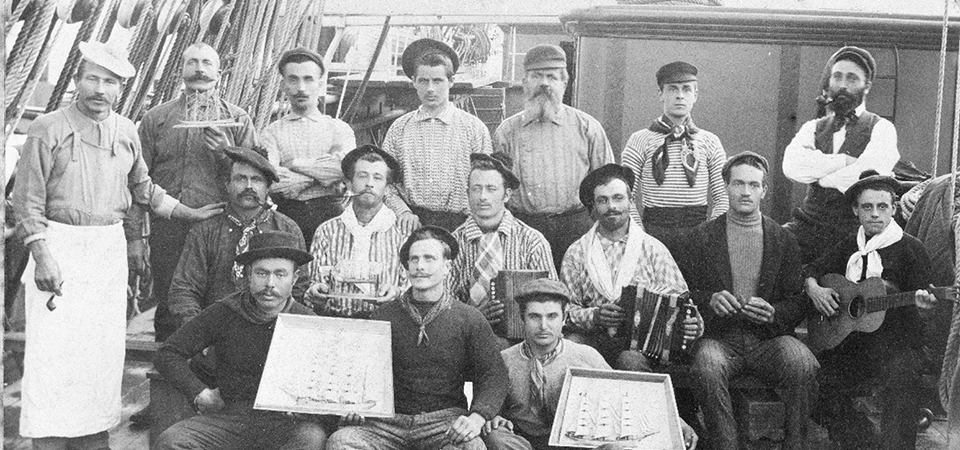
Immigrant miners, many of whom originated from fishing nations of the Mediterranean Sea, introduced to Alaska traditional gillnet methods from the Old Country to catch salmon. Italian fishermen crew ca. 1910. San Francisco Maritime National Historical Park. 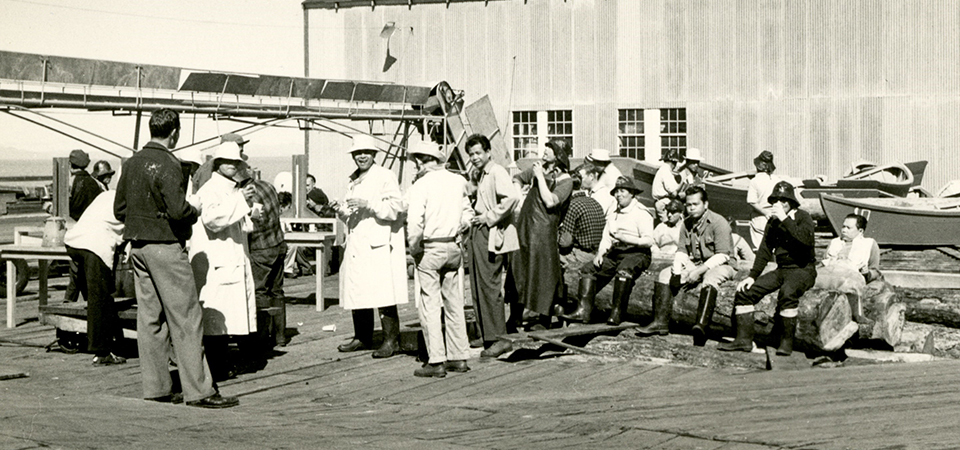
'Mug Up'-a term Alaska canneries use for coffee break-assembled a diverse crew who shared the common language of work. Coffee Time at Nushagak, 1927. Center for Pacific Northwest Studies, Western Washington University. 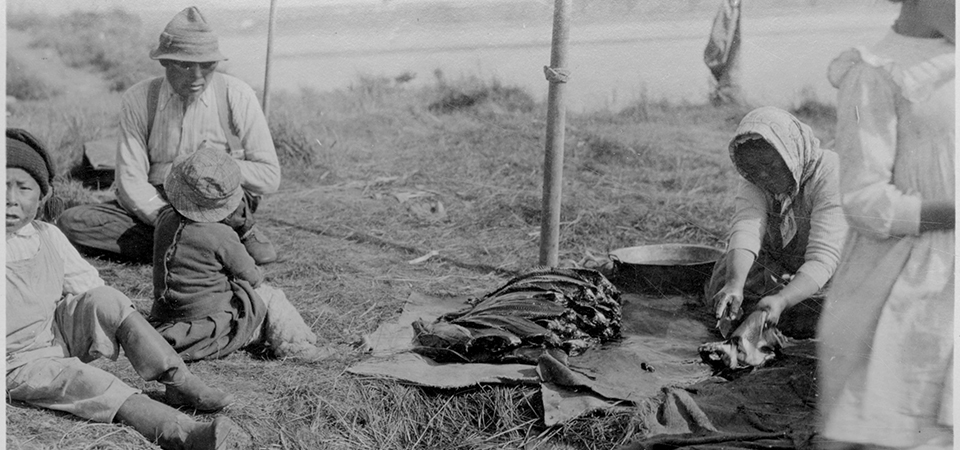
Not only does Bristol Bay's salmon support economically sustainable commercial and sport fisheries, but the Alaska Native cultures present in Bristol Bay - the Yup'ik, Dena'ina, and Sugpiaq - are intact, salmon-based cultures and represent some of the only remaining subsistence lifeways left in the world. Pictured is a Yup'ik family processing salmon on the Naknek River in 1919. Cline Collection, Arizona State University. 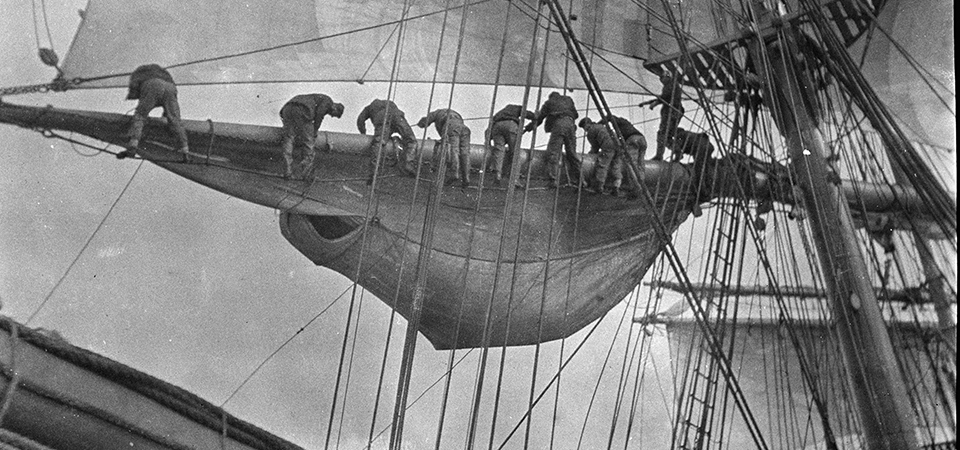
On the voyage from San Francisco to Alaska, the Beach Gang acted as sailors. Rigging the Star of France as she sails to Alaska in 1919. San Francisco Maritime National Historic Park. 
While men fished from drifting boats, women participated in the salmon fishery as setnetters, placing their nets along the beach. Pictured is a woman and child setnetting on an Alaskan beach, ca. 1930s. Heinbockel-Payne Family Collection. 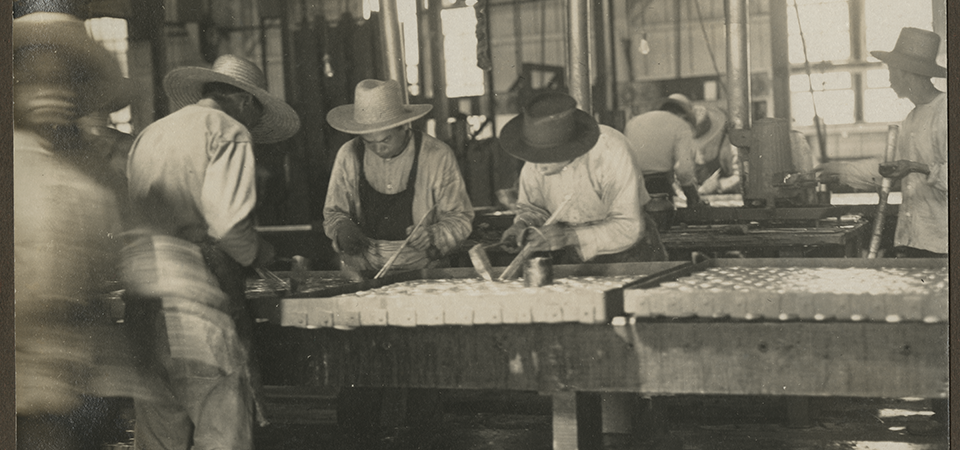
Chinese tinsmiths apply the second soldering, after first cooling, an essential skill that countless Chinese cannery workers provided. undated. Royal B.C. Museum and Archives. E-02999.
2023 Program Impacts
The FY23 grant cycle advanced statewide efforts to safeguard and interpret Alaska’s maritime past by supporting preservation and education activities at both the Alaska State Museum and within local communities. These investments created momentum that directly supported the success of subsequent grant cycles and expanded public access to maritime heritage resources.
Why Maritime Heritage Education and Preservation Matter
Maritime heritage education and preservation are strategic economic investments that strengthen Alaska’s communities, generate jobs, and expand local and regional economic activity. By protecting historic maritime properties and supporting highquality educational programs, these initiatives stimulate tourism, increase visitor spending, and create lasting benefits for coastal communities.
Preservation activities—such as lighthouse rehabilitation, boathouse restoration, and shipwreck documentation—directly support local contractors, tradespeople, and material suppliers. Alaska’s recent preservation projects demonstrate this impact: from the completed rehabilitation of Eldred Rock Lighthouse and Cape St. Elias Light Station to active restoration efforts in Sitka and Wrangell, each project mobilizes local labor and leverages matching funds, multiplying the economic value of the federal investment.
Educational projects also contribute significantly to the economy. Maritime exhibits, canoe documentation programs, interpretive tours, and cultural heritage presentations attract visitors, increase museum attendance, and enhance community programming. Projects such as the Qayat Exhibit, Sitka’s Native Maritime History initiative, and multiple museum-based educational efforts have already drawn public engagement and generated economic activity through cultural tourism, local partnerships, and expanded public programming.
Together, maritime heritage education and preservation projects strengthen local economies by:
- Creating skilled and seasonal jobs
- Supporting small businesses and specialized trades
- Drawing tourists to museums, maritime sites, and historic properties
- Encouraging community partnerships and investment
- Stimulating spending in hospitality, transportation, and local services
Beyond these measurable economic benefits, these projects safeguard cultural heritage, strengthen community identity, and ensure Alaska's maritime traditions continue to enrich future generations.
Eldred Rock Lighthouse: Gutter and Eaves Repair
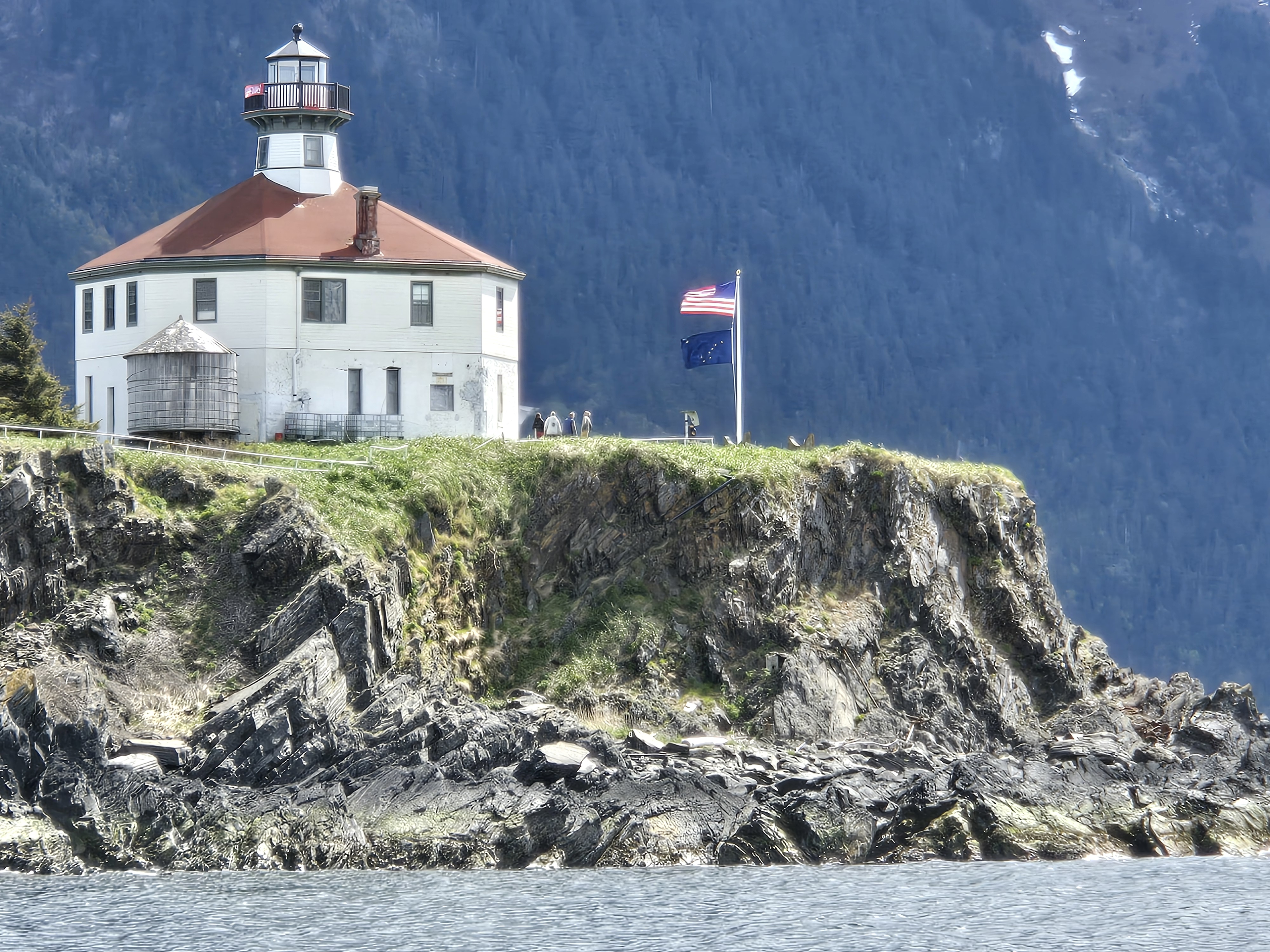
The project stabilized the northwest gutter and protected the cornice of the Eldred Rock Lighthouse, improving drainage and preventing further water damage to the historic structure. Work included rebuilding the NW gutter, installing an ice shield, adding a temporary downspout, and completing perimeter maintenance—actions that help preserve the lighthouse’s integrity and support future restoration.
The project also advanced longterm preservation by preparing materials for future phases and completing required public outreach through media and newsletter updates. Despite weather delays, the work met its objectives and positioned ERLPA to continue rehabilitation during the planned 2026 roof replacement, strengthening stewardship of this key maritime heritage site. For more information: Our Mission - Eldred Rock Lighthouse Preservation Association
Alutiiq Museum & Archeological Repository: Qayat Display
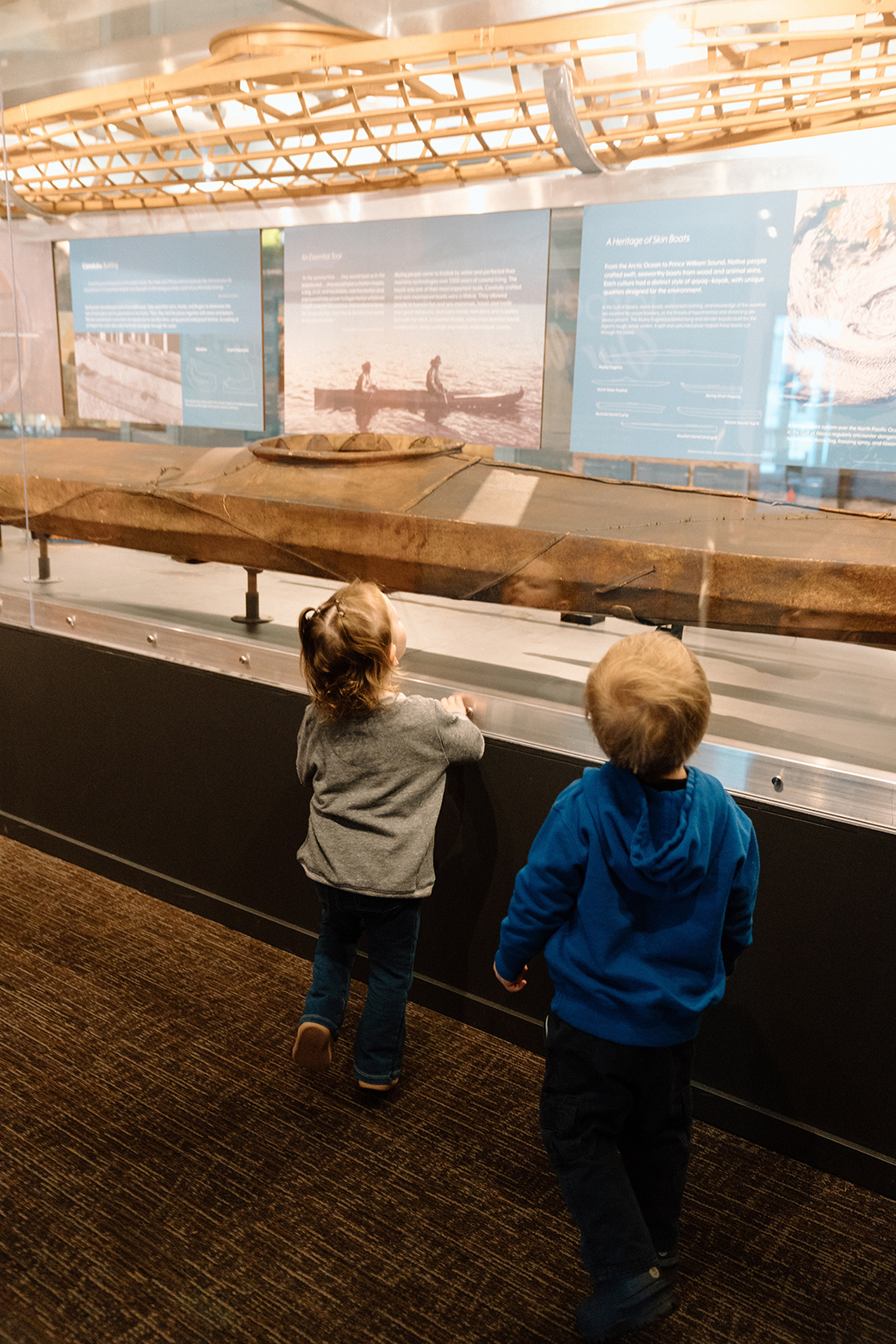
Funding enabled the museum to create a safe, memorable centerpiece exhibit displaying rare artifacts, strengthening interpretation and ensuring the new gallery feature serves as an engaging cultural resource for visitors. The project also expanded educational outreach through new lesson plans, a video tour, and updated web content that improve public access to the collection.
The project supported hands‑on involvement from an Alutiiq exhibit apprentice and allowed the museum to acquire a gut skin garment, expanding its ability to interpret Alaska Native craftsmanship. These outcomes strengthen community connections and enhance the museum’s long‑term capacity to share cultural knowledge. For more information: Qayat - Alutiiq Museum and Archaeological Repository
Haida Canoe Revitalization Group: Kasaan Canoe Documentation, Unlocking the Wisdom of an Ancient Canoe

The Kasaan Canoe Documentation Project enabled HCRG to document and share the knowledge embedded in a historic Haida canoe, creating educational resources that preserve traditional carving techniques and expand public understanding of maritime heritage. The project produced 3Dengineered drawings, a site map, a documentary film, and publications that make this cultural knowledge accessible to learners and community members.
The project also supported broad outreach through eighteen presentations at conferences, festivals, and historical societies, strengthening community connections and cultural awareness. These efforts elevate the significance of red cedar in Haida lifeways and help revitalize cultural identity through education and storytelling. For more information: Kasaan Canoe Documentation Project | HCRG.org
Mission Statement
"The Alaska Office of History and Archaeology (OHA) and State Historic Preservation Office (SHPO) provide programs to encourage the preservation and protection of the archaeological, historic, and architectural resources of Alaska."