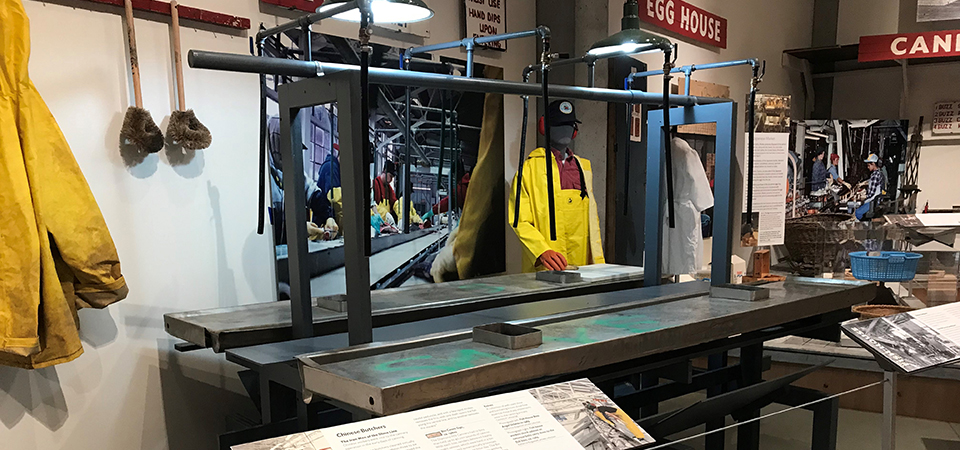
Alaska State Museum, April 2022. "The Slime Line" exhibit conveys the story of the historically underrepresented Asian workers and their vital salmon-cleaning skills. Part of the first-of-its-kind exhibition, "Mug Up: The Language of Cannery Work," which took visitors through an Alaskan salmon cannery, building by building, sharing the stories of the diverse workers and varied work therein. To learn more about the Mug Up exhibition and view video and public lectures, visit https://lam.alaska.gov/mugup. 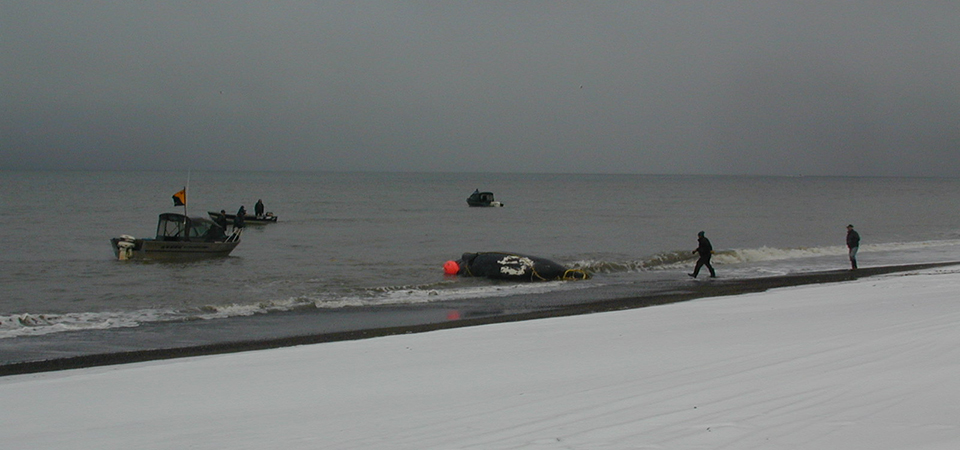
North Slope Borough, September 2021. Whalers from Utqiagvik (formally known as Barrow) pull a whale up onto the beach. Highly valued whale meat will be shared throughout the community. Whaling is a significant subsistence activity that has sustained the Inupiat people residing on the shores of the Arctic Ocean for at least 1500 years. 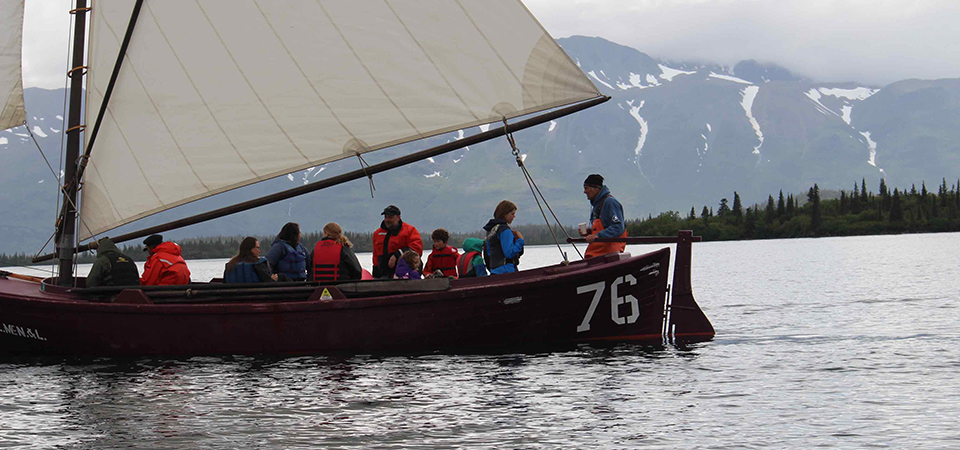
Tim Troll, Bristol Bay Heritage Land Trust, July 2022. These wooden salmon boats once filled the Bristol Bay commercial fishery until 1951. Pictured is the last remaining seaworthy Bristol Bay double-ender sailboat in Alaska. In July 2022, a crew of shipwrights and historians from Homer and Anchorage sailed the boat back to Naknek, Alaska, stopping in villages along the way to give boat rides and history presentations to enthusiastic community members. The former Libby, Libby and McNeil No. 79 sailing boat was restored and used as a mobile maritime history object to tell the century-old Bristol Bay commercial fishery story. Photo was taken on the Kvichak River, at the outlet of Lake Iliamna, near Lake Clark National Park and Preserve. 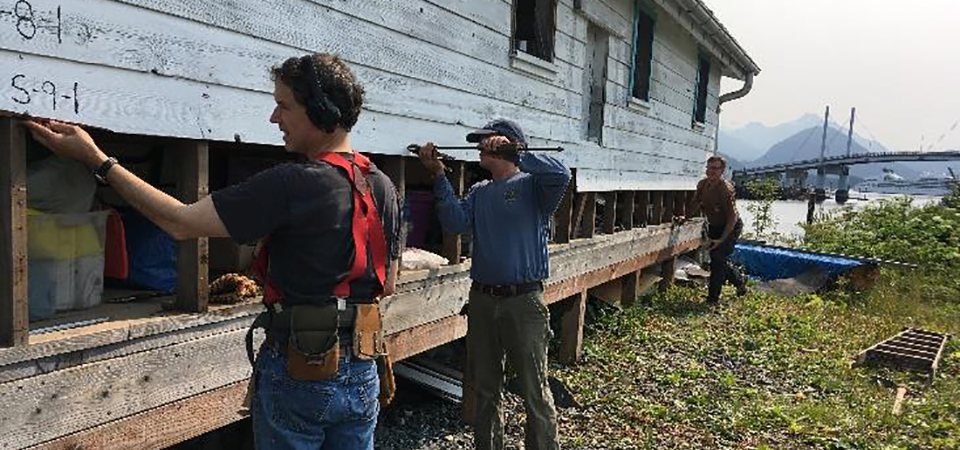
Sitka Maritime Heritage Society, September 2019. Volunteers remove boards from the WWII-era Japonski Island Boathouse, Southwest Wall, as part of a local effort to restore the building's function as an active boat repair facility and center for maritime heritage and education. The Japonski Island Boathouse is part of Sitka's WWII U.S. Naval Operating Base and U.S. Army Coastal Defenses National Historic Landmark. The Sitka Maritime Heritage Society conducted the rehabilitation project with the support of a 2018 Historic Preservation Fund Grant. 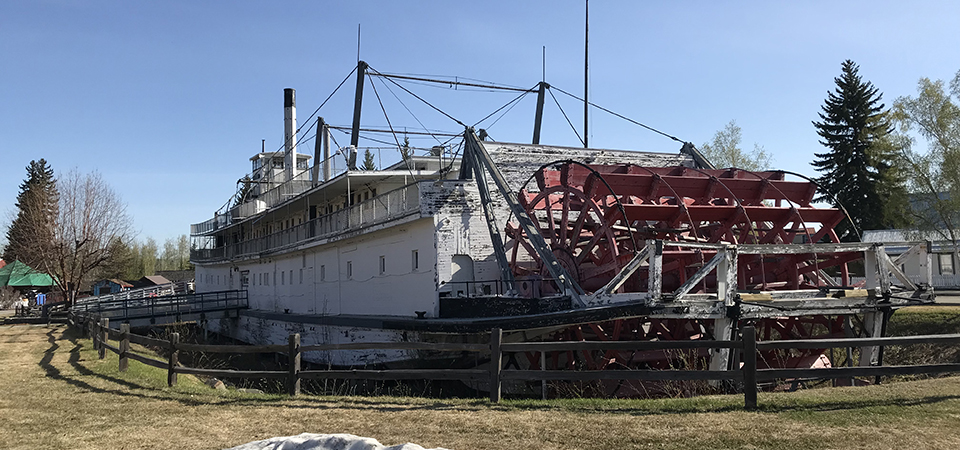
Listed as an NHL, the S.S. Nenana is a wooden-hulled, stern-wheel passenger boat. It is one of only three steam-powered passenger stern-wheelers of any kind left in the U.S. and the only large wooden stern-wheeler. It was built in 1933 for Alaska Railroad service on the Yukon, Nenana, and Tanana Rivers. It now resides at Pioneer Park in Fairbanks, Alaska, and requires repairs. 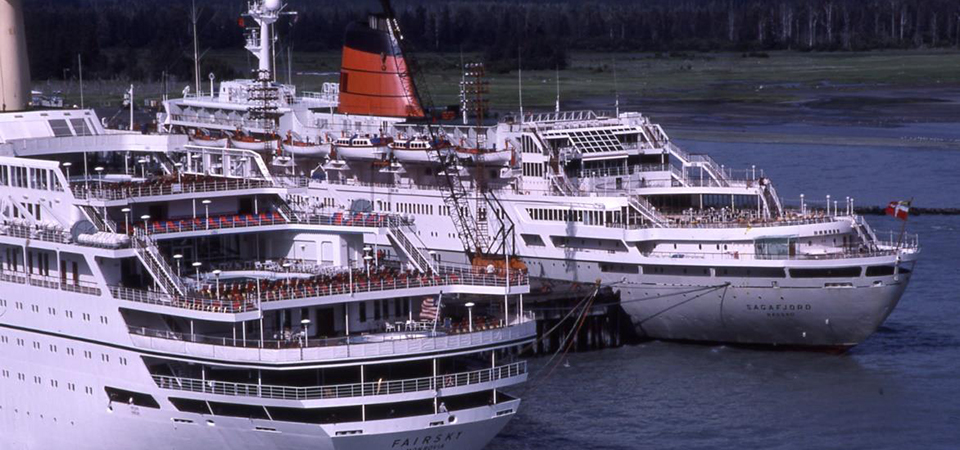
Resurrection Bay Historical Society, August 1985. Two cruise ships--FairSky and Sagafjord--tie up at the railroad dock in Seward, Alaska, situated at the terminus of Resurrection Bay on the southeast end of the Kenai Peninsula, where passengers are offloaded and travel via railroad to Denali National Park and Preserve and Fairbanks. Today, cruise ship passengers drive Alaska's tourist industry. 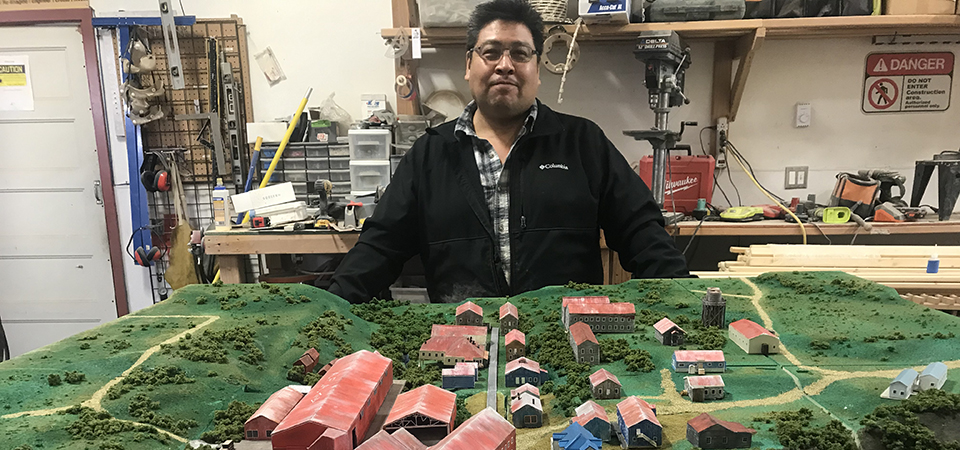
Alutiiq artist Andrew Abyo poses behind his model of the Alaska Packers Association Diamond NN Cannery. The model construction was part of a broader effort to list the 135-year-old cannery on the National Register of Historic Places. Constructed in sections for small airplane travel, the model took several years to complete. Owned by Trident Seafoods, the cannery--the first in Bristol Bay--was listed in the National Register in August 2021. Andrew's artistic work was supported through a generous grant from the Bristol Bay Native Corporation Educational Foundation. The model was displayed at the Alaska State Museum in Juneau, Alaska. 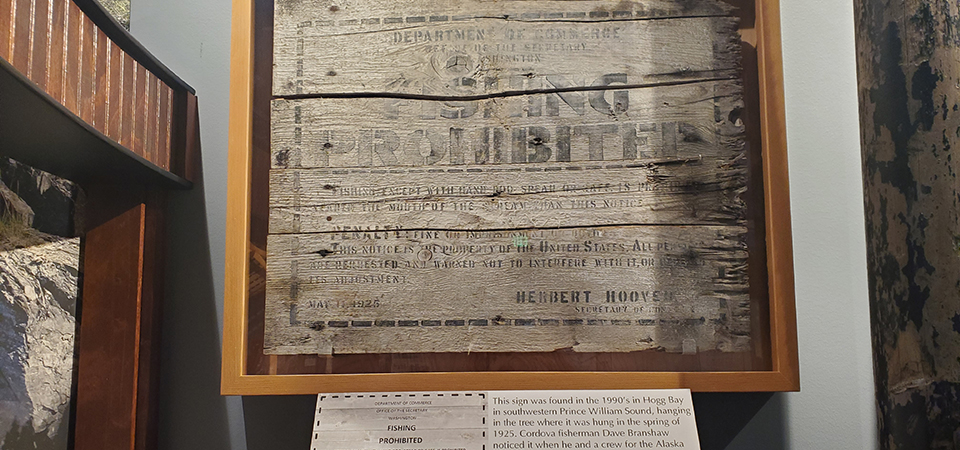
Cordova Museum, September 2022. The Copper River Red Salmon fishery is renowned for producing the season's first catch of Alaska's thriving red salmon fishery. The "Fishing Prohibited" sign, displayed in the new maritime exhibit at the Cordova City Museum, reminds us of a time when the federal government closed the fishery to conserve Alaska salmon due to overfishing. The closures prompted a battle between the Territory of Alaska, federal fish managers, and corporate salmon packers over trap use, which resulted in Alaska's statehood in 1959. 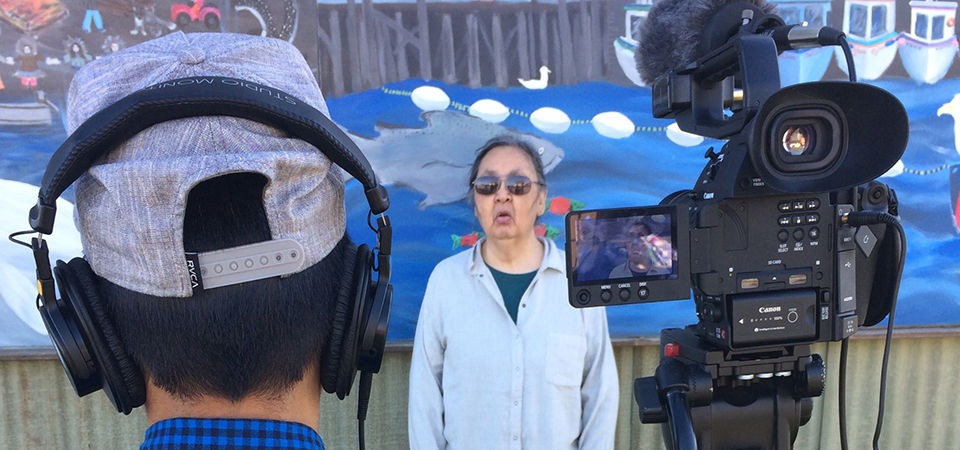
Bristol Bay High School student Senen Torin interviews Yupik elder Natty Boskovsy for a digital storytelling workshop led by the award-winning video production company, See Stories. 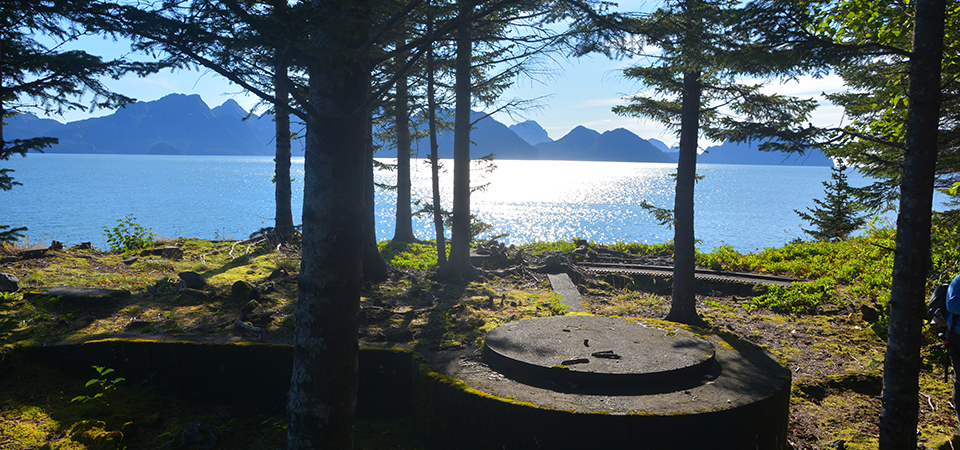
Panama Gun Mounts of the World War II-era Fort McGilvray still stand sentinel over Resurrection Bay and remind visitors of the soldier's wartime experience in Alaska. Office of History and Archaeology. 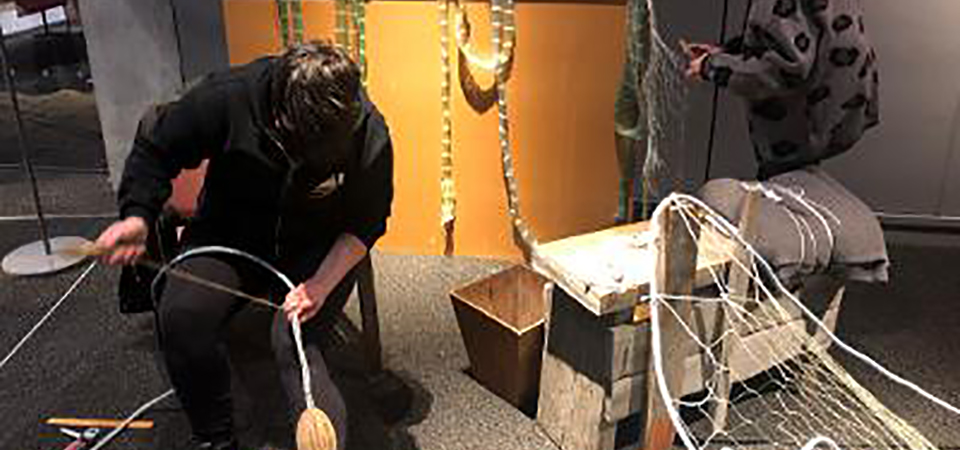
Female net-hangers Marcia Dale and LaRece Egli demonstrate the "Art of Net Hanging" during the pre-opening teaser promoting the "Mug Up" exhibition at the Alaska State Museum in Juneau, Alaska. The First Friday event was the Museum's highest-attended event to date. 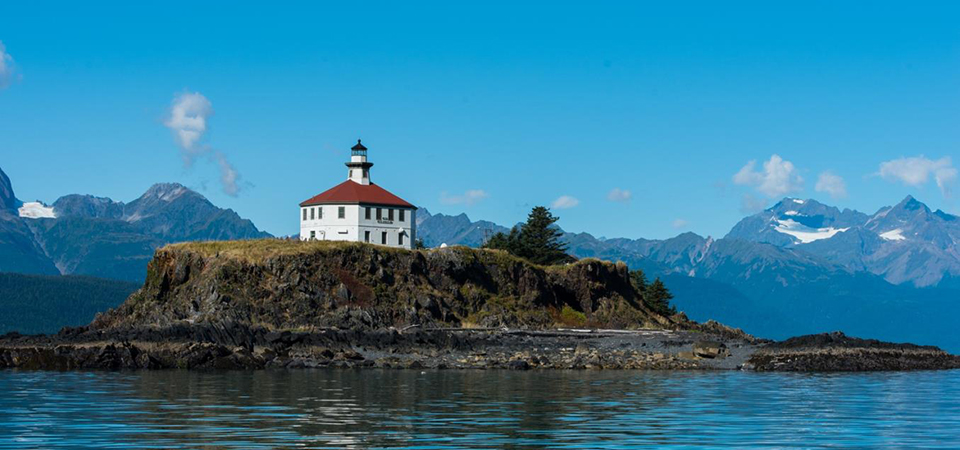
Alaska Maritime Historical Society, September 2018. The historic Eldred Rock Lighthouse, view from the water, 17 miles south of Haines, Alaska. The lighthouse is one of eleven Alaskan lighthouses listed in the National Register of Historic Places. 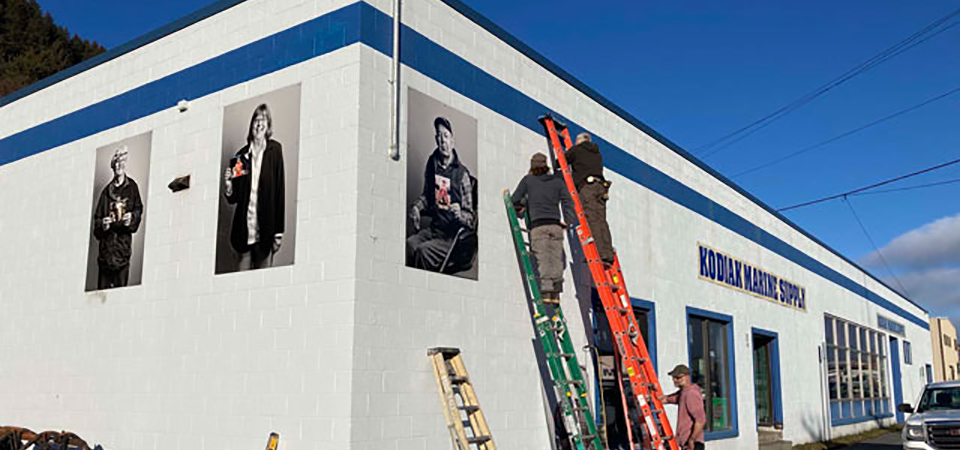
Kodiak Maritime Museum, January 2021. The Kodiak Maritime Museum installed "When Crab Was King" on buildings throughout downtown Kodiak. Creativity and community support drive the director of the Kodiak Maritime Museum, which remains a "museum without walls." 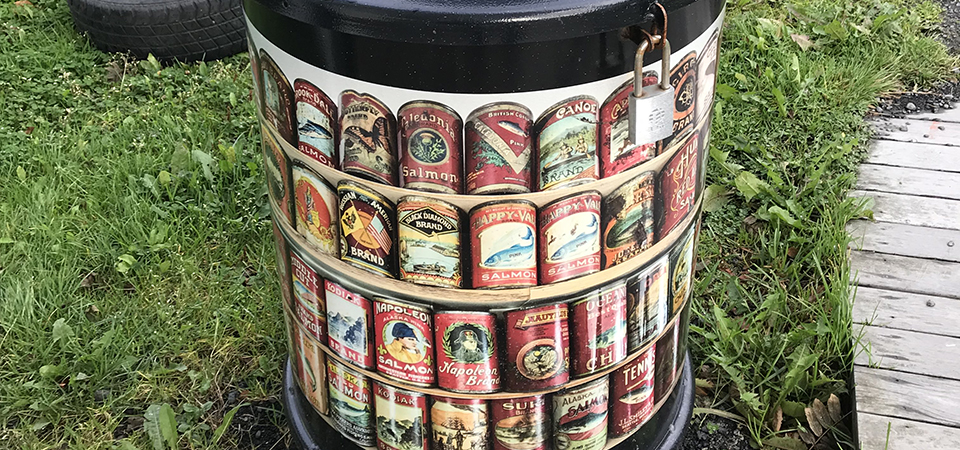
City of Kodiak, September 2018. Historic canned salmon label wraps around a city garbage can in downtown Kodiak creatively convey the island community's passion and pride for its maritime past. 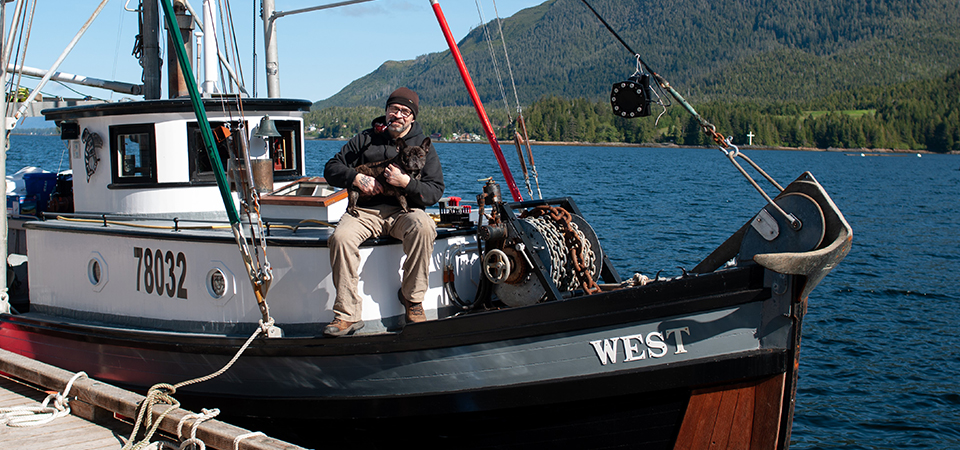
Ketchikan Museum, June 2022. n 2021, Ketchikan Museum partnered with photographer Brooke Ratzat to document 11 wooden boats. The project, called "History Afloat," involves photographing boats and interviews with the captains and family members. The stories, which celebrate Ketchikan's long fishing history and preserve the knowledge of maintaining wooden boats, will be shared in a virtual exhibit at KetchikanMuseums.org. Pictured is John Vlaun of the F/V West. 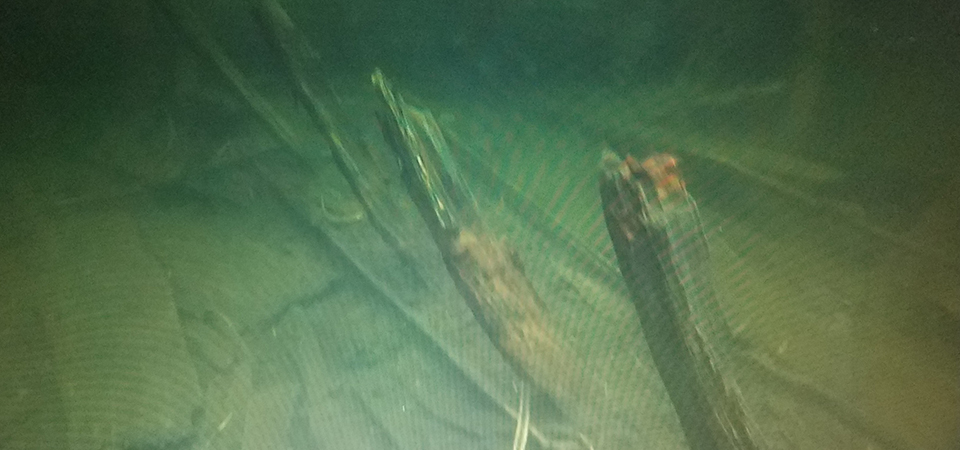
Sitka Maritime Heritage Society, September 2017. Redoubt Lake, or Kunaa Shak Áayi, is a long narrow, deep lake on Baranof Island, near Sitka, Alaska. The Russians established a small settlement near the lake's outlet known as Ozersk Redoubt. In 2017 the Sitka Maritime Heritage Society explored the underwater history of the area and discovered the remains of a boat and anchor in the lake. The discovery poses new questions about the Russian era in Alaska. 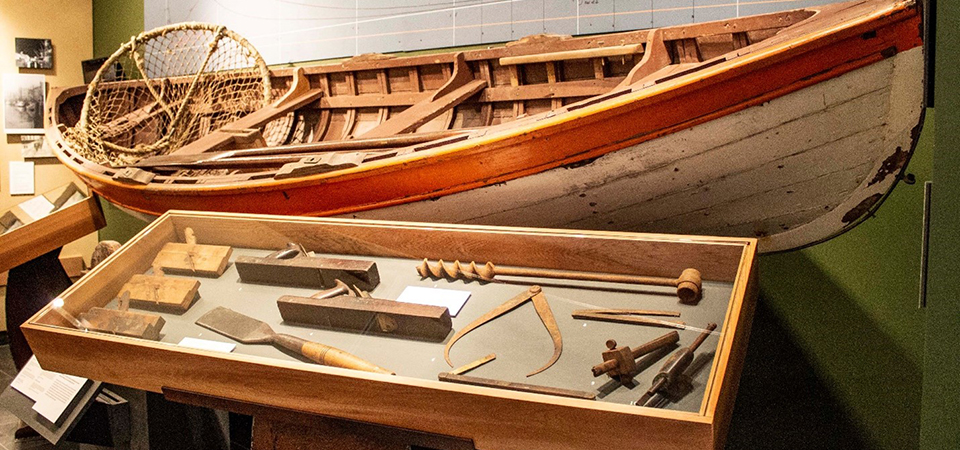
Ketchikan Museum, June 2022. "Davis Boat," owned by a Tsimshian family from Metlakatla, takes its design inspiration from local Native canoes and boats for hunting whales and seal, becoming a standard boat type for southeast Alaska waterways. Photo is from the "Ketchikan is..." core exhibit. 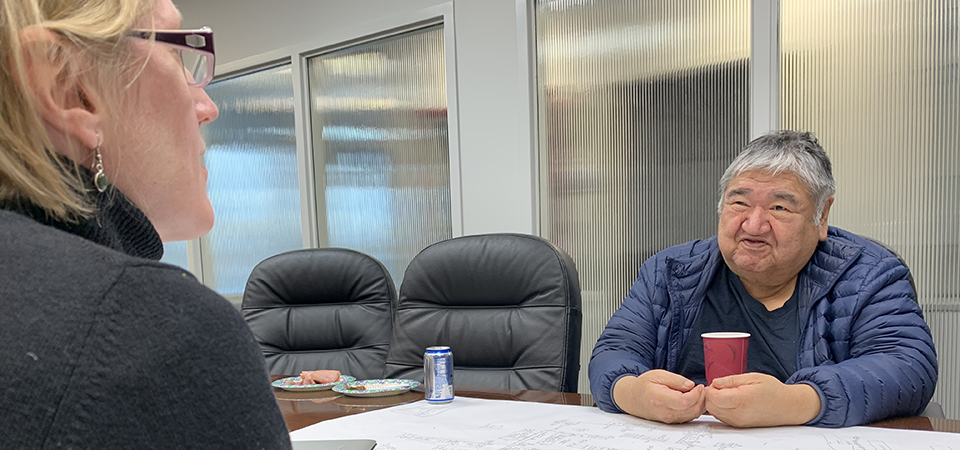
University of Alaska Fairbanks, October 2018. State Historian Katherine Ringsmuth interviews Alutiiq elder, Bristol Bay fisherman, and former Alaska Federation of Natives President Trefon Angasan about his maritime experiences for Project Jukebox, the University of Alaska Fairbanks' digital oral history repository. To listen to Trefon's interview and 16 other former cannery people, visit https://jukebox.uaf.edu/nncannery. 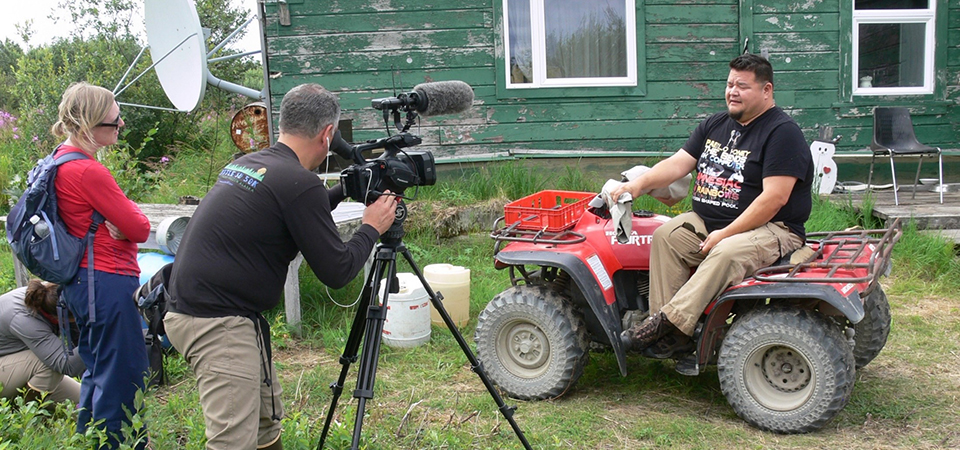
Jensen Hall Creative filming "The Cannery Caretakers," a 40-minute documentary that looks at cannery life from the perspective of the local Native village of South Naknek. Produced by Katherine Ringsmuth. Exhibited at the Alaska State Museum, Juneau, Alaska, April 1-October 8, 2022. 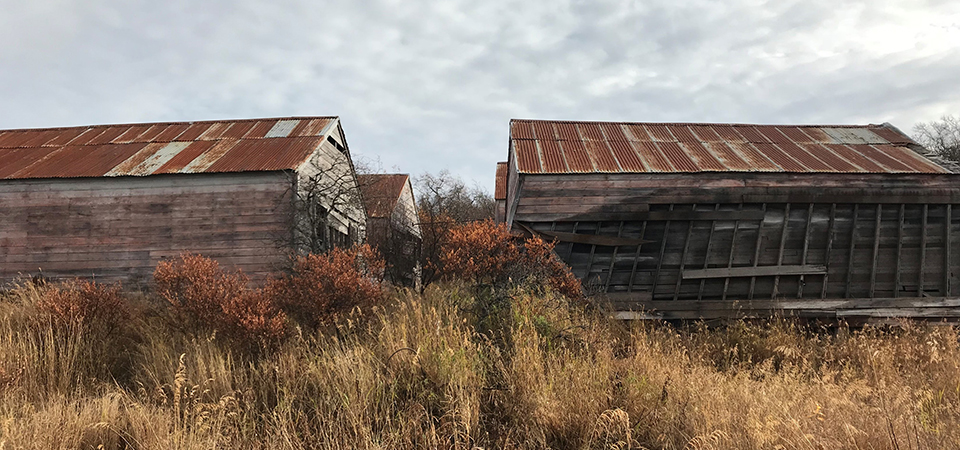
Chinese Bunkhouses, 2018. These Historic buildings, constructed in 1904, contribute to the Diamond NN Cannery Maritime Historic District. The complex housed Chinese cannery workers, and after the passage of the Chinese Exclusion Act of 1892, Mexican cannery workers. Courtesy of the NN Cannery History Project. 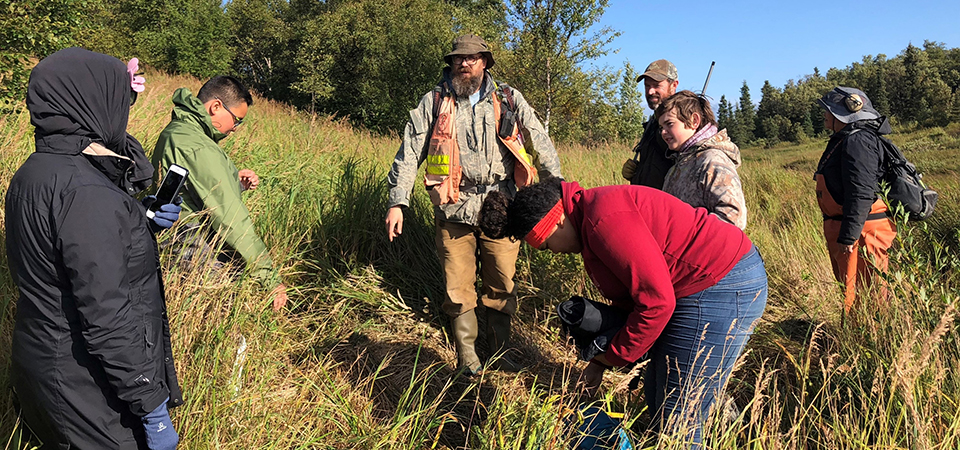
Archaeologist Monty Rogers shows Igiugig youth how to locate and interpret the tangible past. Courtesy of AlexAnna Salmon. 
Anuska "Blind Grandma" Kasylie, the matriarch of the Qinuyang village, splits fish on the shore of the Kvichak River. Courtesy of the NN Cannery History Project. 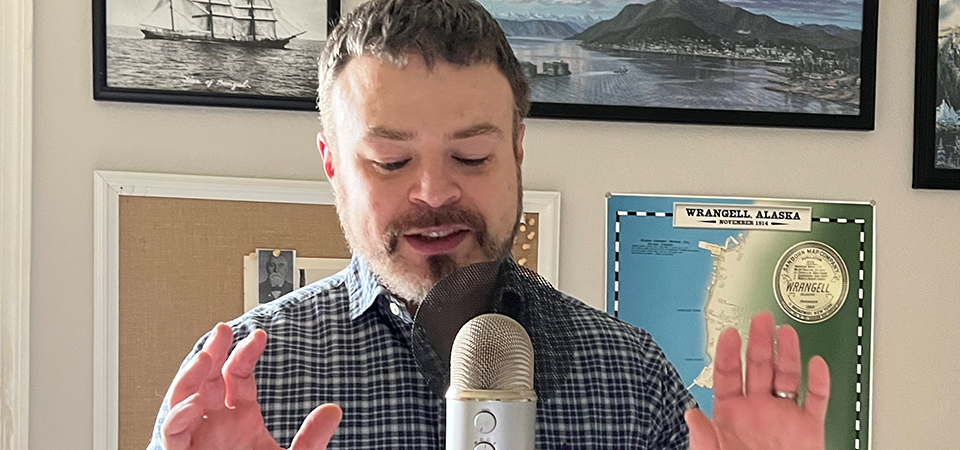
Wrangell History Unlocked creator, Ronan Rooney, records a session for Rise & Fall of the Star of Bengal. The podcast recently received the prestigious 2023 American Association for State and Local History Award of Excellence for a multimedia project. https://www.wrangellhistoryunlocked.com 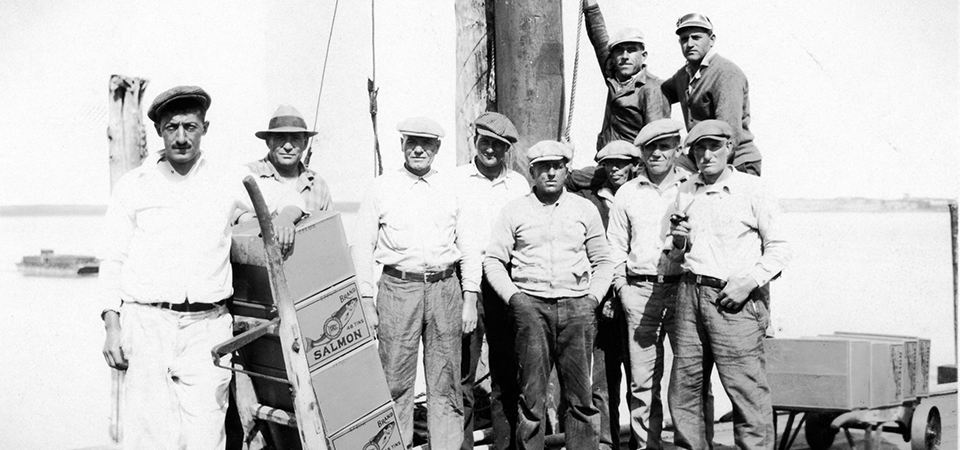
The beach gang dock workers received the daily catch of salmon from flat scows and tenders that delivered recently-caught salmon from the fishing grounds. Beach Gang on the Dock at Diamond NN Cannery, ca. 1930s. Heinbockel-Payne Family Collection. 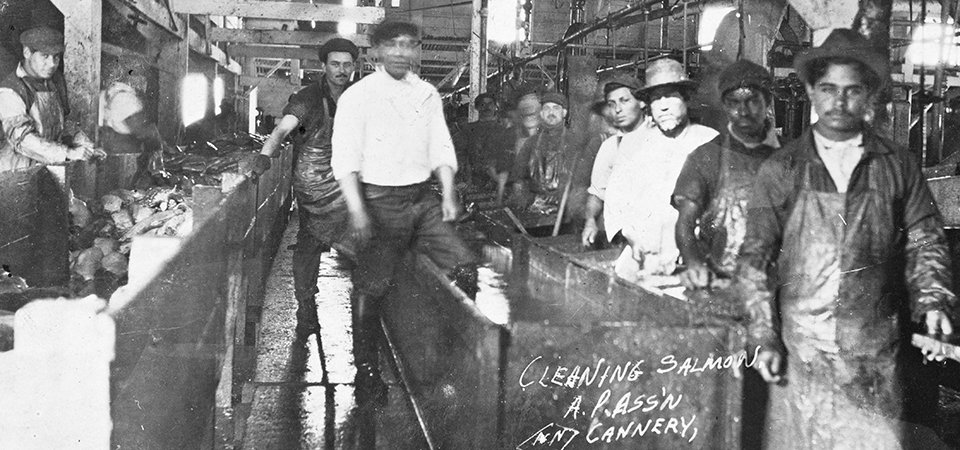
Alaska's diverse fish house crew constituted the so-called "slime line," ca. 1919. San Francisco Maritime National Historical Park. Axel Widerstrom collection. 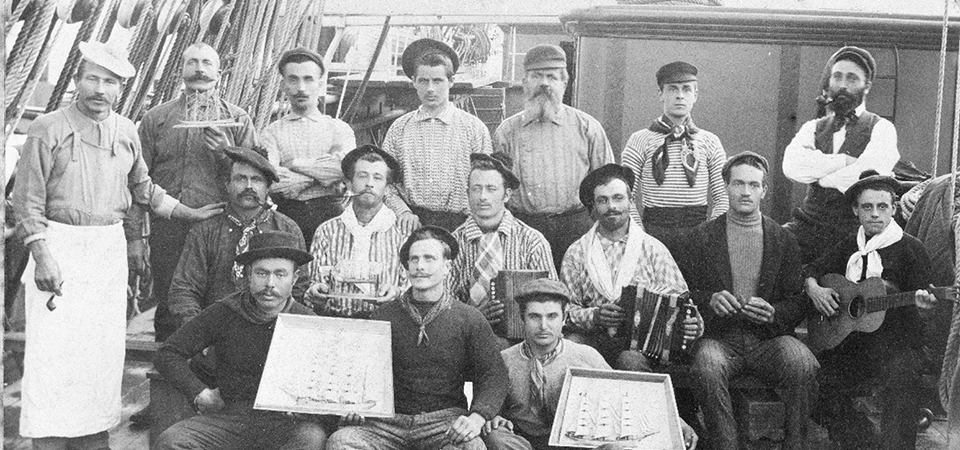
Immigrant miners, many of whom originated from fishing nations of the Mediterranean Sea, introduced to Alaska traditional gillnet methods from the Old Country to catch salmon. Italian fishermen crew ca. 1910. San Francisco Maritime National Historical Park. 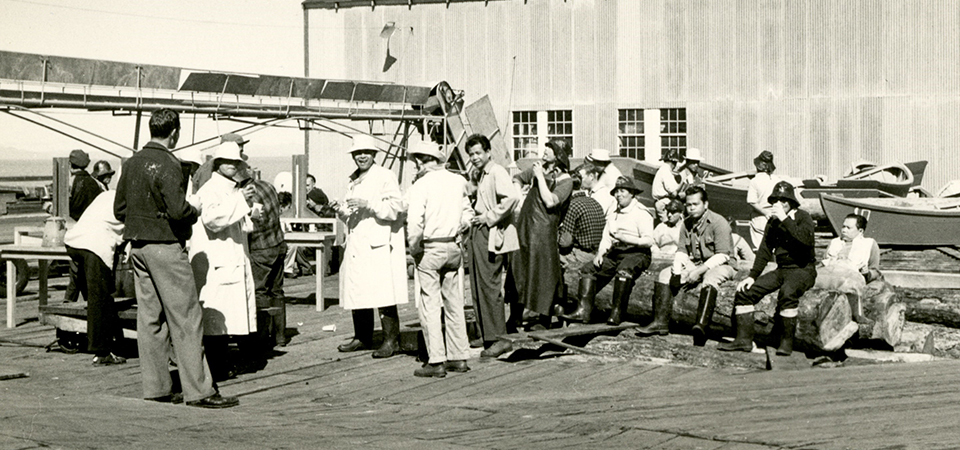
'Mug Up'-a term Alaska canneries use for coffee break-assembled a diverse crew who shared the common language of work. Coffee Time at Nushagak, 1927. Center for Pacific Northwest Studies, Western Washington University. 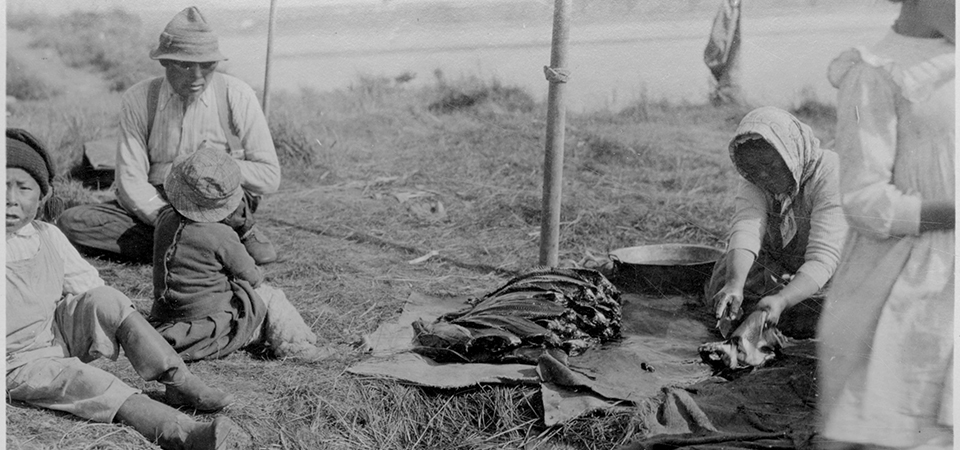
Not only does Bristol Bay's salmon support economically sustainable commercial and sport fisheries, but the Alaska Native cultures present in Bristol Bay - the Yup'ik, Dena'ina, and Sugpiaq - are intact, salmon-based cultures and represent some of the only remaining subsistence lifeways left in the world. Pictured is a Yup'ik family processing salmon on the Naknek River in 1919. Cline Collection, Arizona State University. 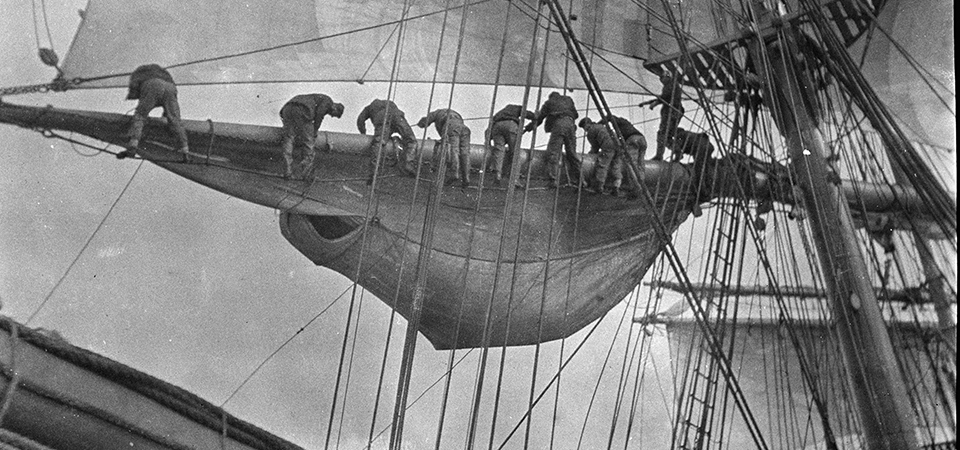
On the voyage from San Francisco to Alaska, the Beach Gang acted as sailors. Rigging the Star of France as she sails to Alaska in 1919. San Francisco Maritime National Historic Park. 
While men fished from drifting boats, women participated in the salmon fishery as setnetters, placing their nets along the beach. Pictured is a woman and child setnetting on an Alaskan beach, ca. 1930s. Heinbockel-Payne Family Collection. 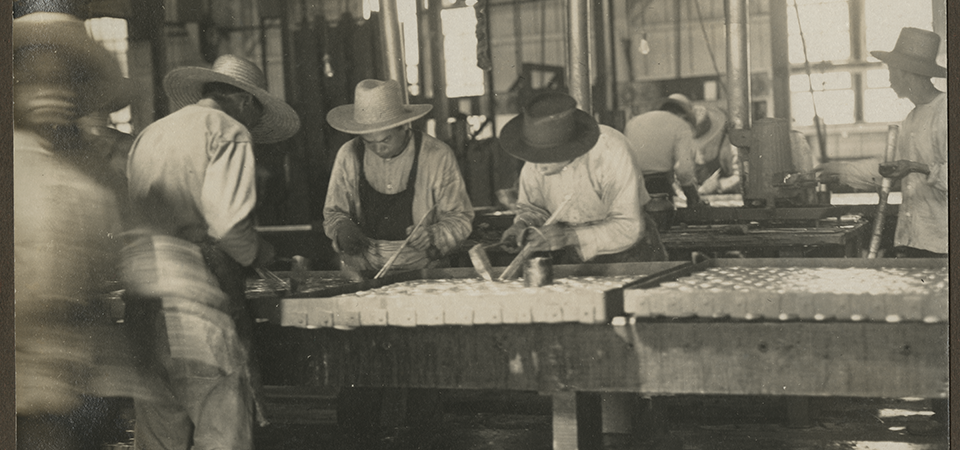
Chinese tinsmiths apply the second soldering, after first cooling, an essential skill that countless Chinese cannery workers provided. undated. Royal B.C. Museum and Archives. E-02999.
Alaska's Maritime Heritage
The Significance of America's Maritime North
While Alaska's "Last Frontier" moniker is popular, it remains historically problematic. The frontier interpretation ignores a history that came eastward from Asia. And, when historians position Alaska as a periphery of western expansion, they exclude Alaska's 30,000-year-old history as a geological, ecological, and cultural bridge connecting America to two trans-global spheres: the Circumpolar North and the Pacific Rim. Explaining Alaska History through a maritime lens dismantles Alaska's frontier myth and moves the Maritime North from the fringe to a central position in American history. Ultimately, the Alaska Maritime Heritage Preservation Program will support projects that increase awareness of Alaska's significance to the maritime heritage of the United States.
Embedded in Alaska's coastal communities are layers of evidence documenting a human history that began with the retreat of Pleistocene glaciers and the return of salmon, sea mammals, and other marine resources that recolonized a post-ice age landscape. Along coastlines and rivers that endure a constant cycle of freeze and thaw are eroding middens, villages, fish traps, and bidarkas. Examined with oral testimony, cultural ceremony, and traditional knowledge, these resources bear witness to the marine subsistence strategies and ecological realms of the past that explain Alaska's diverse indigenous landscapes and ground-truth theories on the peopling of the Americas.
Unlike familiar trails that penetrated the American West, European expansion into Alaska followed routes through the Asian Far East. Like Columbus, who connected continents on both shores of the Atlantic, Vitus Bering linked a vast waterscape where "imperial and personal contests played out in isolated bays and coastlines." Russian fur-hunters sought valuable sea otter pelts along coastal Alaska, while the Russian Orthodox Church sought converts. Both relied on local Native people and their knowledge of the sea for hunting, food, and transportation. Russian settlements in the Aleutians, Kodiak, Resurrection Bay, and Sitka left a legacy of colonization preserved in maritime resources, including remnants of pier foundations, shipyards, artels, redoubts, chapels, and shipwrecks. Captain Cook's voyages in the 1770s and the subsequent convergence of European explorers and exploiters -- British, Spanish, Russian, French, and American -- transformed Alaskan seaports into international hubs connecting the Far North to the emerging Pacific World. These maritime traders plied the waters for profitable commodities while bringing cultural, environmental, and biological changes to those regions. Investigations into early maritime trade challenge the entrenched historical interpretation that Alaska served simply as the nation's last frontier rather than America's link to the World.
The expansion of New England whaling into the Arctic for sperm and bowhead whales in the 1840s led to the commercial entry of the United States into the Maritime North, prompting American territorial interests in Alaska. Innovations such as trypots allowed Atlantic whalers to voyage further and render blubber at sea. Decades of whaling nearly drove the bowhead to extinction, impacting the Inupiat's 1000-year whale-dependent lifeway. Arctic whaling served as a backdrop for the last shot of the Civil War and presented fugitive slaves arriving in New Bedford an escape route, characterized by maritime historians as the "Underground Railroad Afloat." In 1894, Brigadier General Frederick Funston described an Arctic whaling camp as "more cosmopolitan than any other place on the globe." This underscores maritime curator and historian Joel Stone's observation that "the maritime community has always been the earth's most diverse and cosmopolitan population, going back to the days of seagoing vessels where Caucasians, Asians, and Africans worked together for centuries."
To Interior Secretary William Seward, Alaska served as a stepping-stone, linking America to Asia and, importantly, represented new markets for the industrializing North, which led to the transfer of Alaska from Russia to the United States in 1867. Mercantile fortunes made during the California gold rush set the stage for Alaska Commercial Company to make millions harvesting Pribilof fur seals and profited even more by selling supplies to prospectors during Alaska's gold rush. Commercial steamships and riverboats transported hopeful miners from West Coast ports up the Yukon, Tanana, and Nenana rivers where river tributaries became roads and boats were a miner's only vehicles. Gilded Age salmon canneries -- with pulsating machines, efficient fishing, processing, canning and marketing methods, and a multiethnic labor force -- represented the Industrial Revolution of the North. This pursuit introduced new boats and mechanized assembly lines, replaced skilled workers with steam-powered machines, built electrical, water, and communications systems, and applied science to manage fish runs. Salmon packers sold canned fish to markets worldwide through a large-scale transportation network. Use of traps left few fish and little profit to local Alaskans, prompting a political fight for America's 49th star.
Meanwhile, the federal government built lighthouses, charted the coastline, funded harbors, and, with growing international tensions, established military bases along the coast as part of a defense system to protect against possible invasion. With the Aleutian Campaign's proximity to the Pacific Theater, the battles of Attu and Kiska command high profile in nationally significant maritime history. Likewise, the little-known removal of Unangax people under Executive Order 9066 and their wartime internment in abandoned canneries warrant historic evaluation and stand out as a difficult maritime topic worthy of public education and mindful interpretation. Conversely, oil-soaked sea otters during the Exxon Valdez Oil Spill sparked a 24-hour news cycle and symbolized the nation's modern environmental movement.
Alaskans continue to make a living from the sea. Dutch Harbor is the largest fishing port in the nation, Kodiak shelters the largest fleet of fishing boats on the west coast, and Bristol Bay's sockeye runs are the largest on Earth. Tourism, one of Alaska's main economic engines, is largely driven by people opting for time on the water: from kayaking in quiet bays to cruising in city-sized ships. Ninety percent of Alaskans receive consumer goods shipped in containers from global suppliers. Importantly, as climate change causes Arctic ice to thin, the famed Northwest Passage will open to marine shipping and cruise ships, reinforcing Alaska's link to the world and increasing our vitality nationwide. Each of these aspects of Alaska contains a legacy of tangible maritime heritage significant to our nation. Significantly, they serve as contexts to better interpret, evaluate, and understand Alaska's rich maritime resources on a national and international scale.
Mission Statement
"The Alaska Office of History and Archaeology (OHA) and State Historic Preservation Office (SHPO) provide programs to encourage the preservation and protection of the archaeological, historic, and architectural resources of Alaska."