
Abandoned and Derelict Vessel (ADV) Program
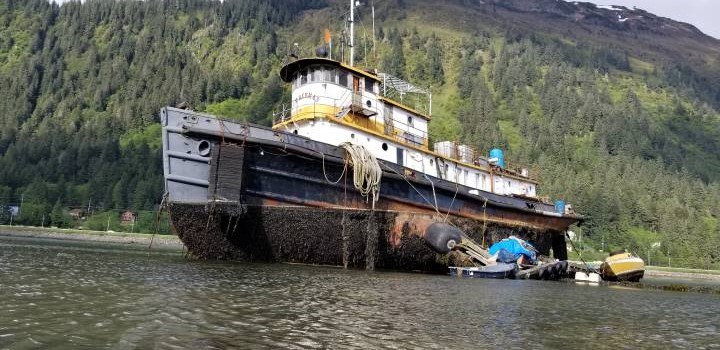
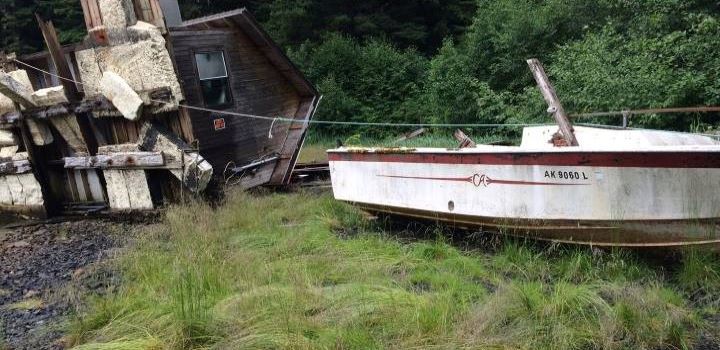
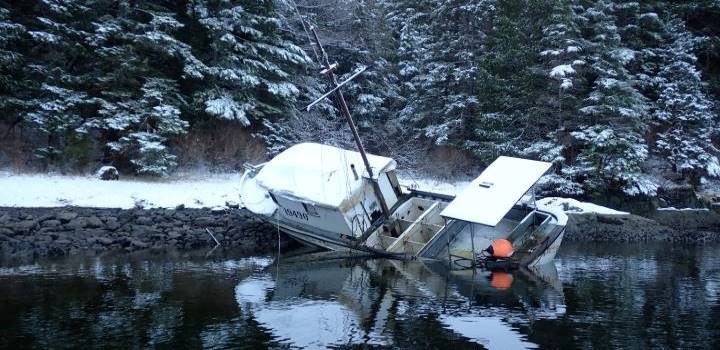
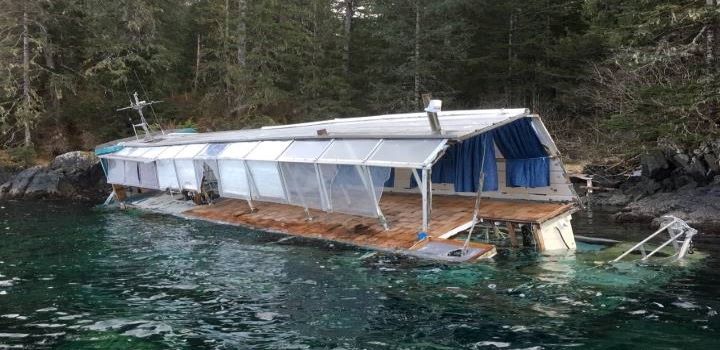
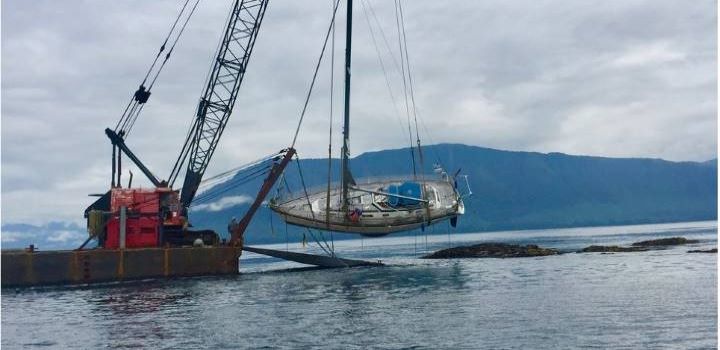
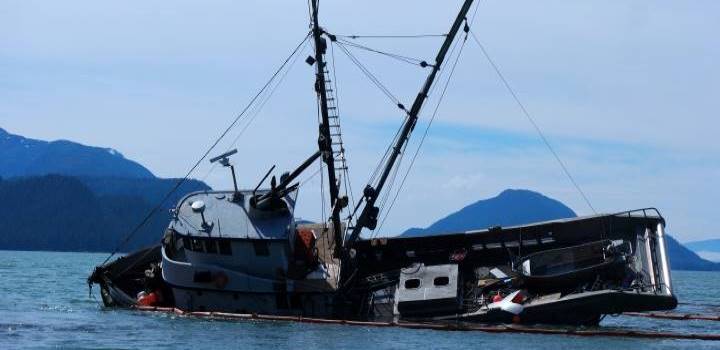
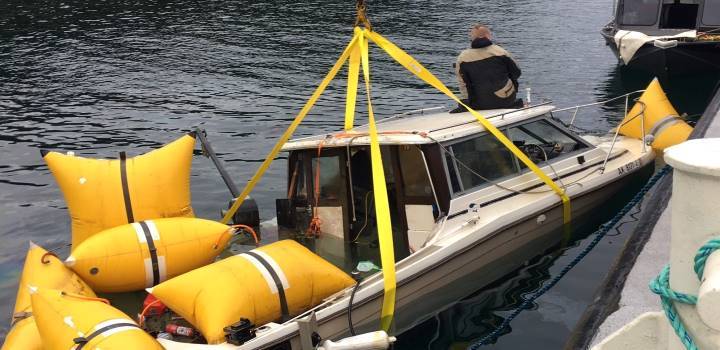
SAIL's ADV Program serves as DNR's point of contact for abandoned and derelict vessels, working to raise public awareness of the issue and DNR's role in managing coastal tide and submerged lands, with the ultimate goal of reducing the number of ADVs on DNR managed lands. The ADV Program serves as a public resource for ADV information, documents ADVs, represents DNR land management interests in cases involving spills, interfaces with ADV owners, and manages authorizations for vessel removals to reduce the number of ADVs on DNR-managed lands.
ADVs pose significant challenges for government agencies at all levels that are responsible for managing land and waterways. These vessels can lead to point-source pollution, create navigation hazards, threaten infrastructure, and are one of the largest contributors to Alaska generated marine debris.
As the state's land manager, DNR manages many lands currently affected by ADVs, and those at risk of future impact. These lands include tidelands, submerged lands and shorelands. The number of ADVs continues to rise every year, with more than 425 ADVs currently documented, and many additional cases going undocumented. Vessel owners are ultimately responsible for the fate of their boats, yet many abandon them when faced with the costs of maintenance or proper disposal, leaving the burden on public lands and waterways.
Frequently Asked Questions (FAQ)
What is a vessel?
Per AS 30.30.170(6), vessel means every description of watercraft, barge, floating facility, or other artificial contrivance, other than a seaplane on the water, used or capable of being used as a means of transportation on or through the water. All forms of float houses and floating lodges fall under the umbrella of floating facilities and are subject to ADV enforcement statutes.
What are Abandoned and Derelict Vessels?
Per AS 30.30.090, ADVs are vessels that are:
- in immediate danger of sinking, or sunk
- obstructing waterways
- endangering public health and/or safety or the environment
- left on state or municipal property contrary to law
- left on private property without authorization from the owner
What are the potential penalties for leaving a derelict vessel on DNR managed land without DNR approval?
- AS 30.30.015 - A civil penalty of not more than $1,000 per day.
-
AS 30.30.010(f)
- A criminal misdemeanor punishable by one or more of the following:
- (1) a fine of not less than $5,000 or more than $10,000;
- (2) imprisonment for a period of not more than 90 days;
- (3) forfeiture of the person's vessel.
How long can I anchor in one spot before my vessel is considered derelict?
You can anchor in the same spot without an authorization for up to 14 consecutive days. Under DNR's generally allowed uses ( 11 AAC 96.020 ) a person may anchor their vessel in the same location for up to 14 days with an authorization, after which you must move at least two miles to start a new 14-day period. Shuttling between two sites 2 miles apart does not satisfy this rule, long-term repeated use requires an authorization to avoid derelict status. There are exceptions such as anchoring in front of your private upland property.
How do I get a permit to anchor my vessel in the same location for more than 14 days?
An application for the appropriate land use permit under AS 38.05.850 costs $240, and permit applications are available here. The division will review and consider all applications, but there is no guarantee all applications will result in permits. A full list of Division of Mining, Land, and Water fees is available here.
Does the State of Alaska own the land under water?
Yes, the State of Alaska owns most tidelands, submerged lands, and shorelands where a vessel is most likely to become abandoned or derelict. There are a few exclusions, such as state lands conveyed to municipalities or withdrawn before statehood.
For more information regarding land ownership and interests on state land see SAIL's DMLW Managed Land and Water page. To research ownership of specific lands see DNR's research tools, including Alaska Mapper. Please contact SAIL or the Public Information Center with questions about ownership of specific lands.
How do I report a vessel that I believe is an ADV?
Submit reports to dnr.adv@alaska.gov or via call or text at 907-451-2724. When submitting a report, please include as much information as possible, such as the vessel name, registration number, photos, and location.
How do I avoid becoming financially responsible for ADV removal?
- Keep your vessel in good working condition; make sure it is seaworthy and can move under its own power.
- If you are selling your boat, make sure to complete a bill of sale and ensure the new owner completes the proper registration paperwork with the Division of Motor Vehicles (DMV). Otherwise, you could still be considered an owner under AS 30.30.170 and financially responsible should the vessel later become abandoned or derelict.
- Before buying a boat, get an inspection done, evaluate how close the vessel is to the end of its useful life, and consider the cost to dispose of it at that time.
- Have an end-of-life plan for your vessel so you know what to do when it reaches the inevitable end of its useful life.
- Consider insuring your vessel.
What should I do if a vessel spills fuel on state land or waters?
Go to SAIL's spill reporting page for links to notify DEC Prevention Preparedness and Response (PPR), the National Response Center (NRC), and SAIL.
Resources
A 2020 “Blue Ribbon” ADV report lays out the scope of the ADV problem in Western U.S. states, and includes best practice guidelines for dealing with ADVs.
National Response Team — Abandoned Vessel Authorities and Best Practices Guidance